I’ll never forget the morning a peregrine falcon screamed past my campsite in the Rockies, wings slicing the air like a jet. I was mid-coffee, jaw dropped, marveling at how something so small could move that fast. Birds are nature’s magicians—tiny, feathered marvels that defy physics, history, and sometimes logic itself. As a lifelong birder who’s traipsed through wetlands and forests with binoculars glued to my face, I’ve collected stories and facts that’ll make you see these creatures in a new light. From ancient dinosaurs to globe-trotting migrants, here are 10 mind-blowing facts about birds that’ll leave you as awestruck as I was that chilly dawn. Let’s dive into their wild world, no wings required.
Birds Are Living Dinosaurs
Birds aren’t just backyard chirpers—they’re the closest living relatives to dinosaurs like T. rex. Evolving from theropods about 150 million years ago, they inherited traits like hollow bones and feathers, turning ferocious reptiles into today’s hummingbirds and hawks. Fossils like Archaeopteryx show the transition, blending dino claws with proto-wings, proving birds are survivors of a prehistoric blockbuster.
The Dino-Bird Connection
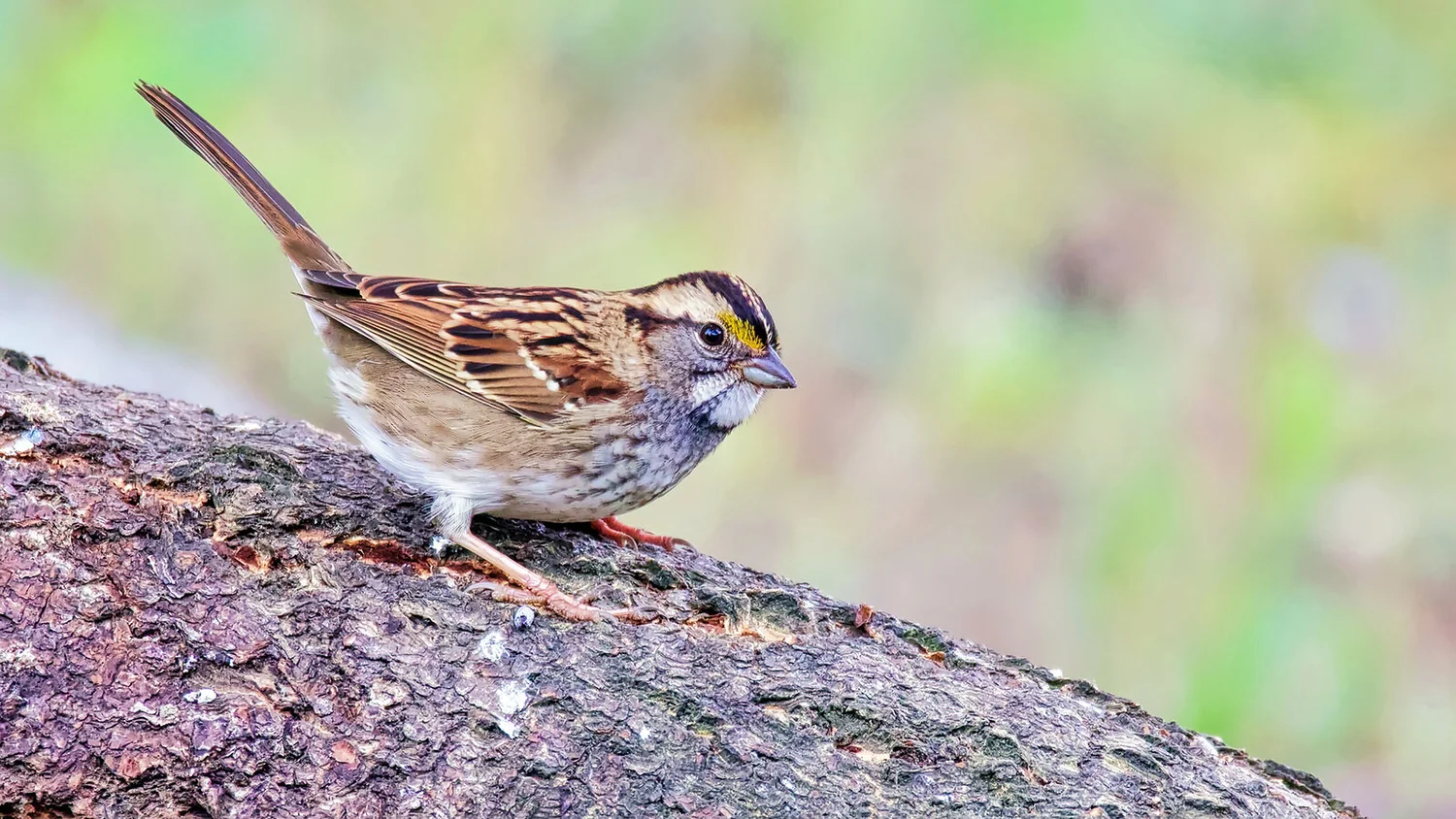
Paleontologists found feathered dinosaur fossils in China, revealing shared skeletal quirks like wishbones. These ancient cousins didn’t soar but glided, setting the stage for modern flight. It’s wild to think a sparrow at your feeder is a tiny Jurassic relic.
Hummingbirds Are Metabolic Marvels
Hummingbirds burn energy faster than any warm-blooded animal, with hearts racing up to 1,260 beats per minute during flight. Their wings blur at 80 flaps per second, letting them hover like living drones while sipping nectar. To fuel this frenzy, they consume twice their body weight in food daily—imagine eating 150 pounds of pizza!
How They Survive the Night
At night, hummingbirds enter torpor, a mini-hibernation where their heart rate drops to 50 beats per minute, saving energy. I once watched an Anna’s hummingbird in Arizona “sleep” like this, still as stone—nature’s pause button in action.
The Albatross’s Epic Wingspan
The wandering albatross boasts the largest wingspan of any bird—up to 11.5 feet, wider than a minivan. This lets them glide thousands of miles over oceans without landing, using dynamic soaring to ride wind currents. Watching one skim the Pacific’s waves feels like seeing a sailplane with feathers.
Energy-Efficient Flight
Their secret? Locking wing joints to glide effortlessly, barely flapping. This efficiency lets them circle the globe, making pitstops only to breed. It’s a masterclass in stamina we humans can only dream of mimicking.
Owls Have Stealth Superpowers
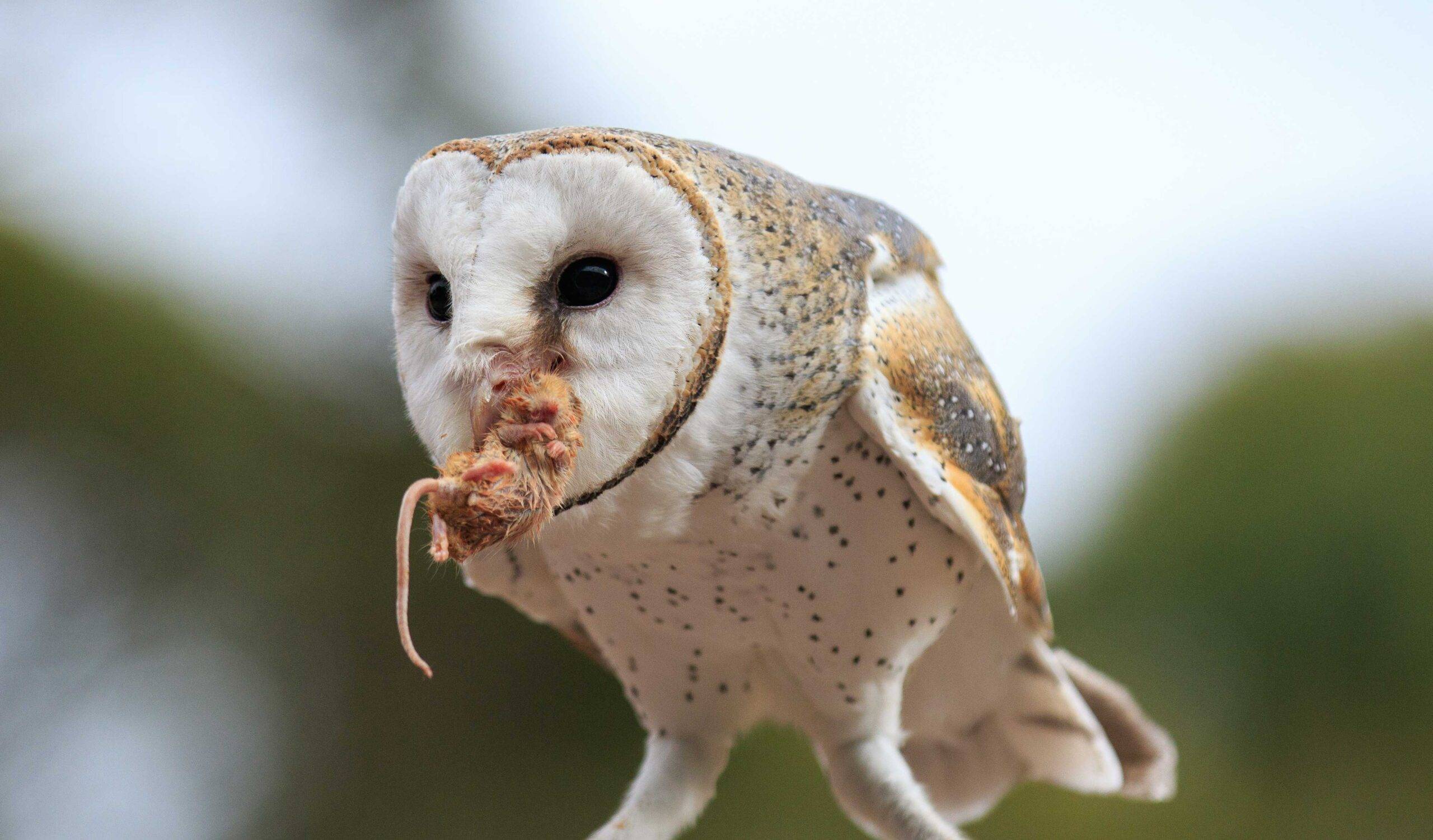
Owls hunt in eerie silence thanks to specialized feathers that muffle sound, letting them swoop undetected. Their wings have serrated edges that break up airflow, making their flight quieter than a whisper. I’ve camped under barn owls in Oregon, spooked when they materialized like ghosts.
Night Vision and Hearing
Owls’ huge eyes gather light for near-perfect night vision, while asymmetrical ears pinpoint prey rustling under leaves. This combo makes them ninja-like predators, nabbing mice before they know what hit them.
Arctic Terns Migrate Pole to Pole
Arctic terns hold the record for the longest migration, flying 25,000 miles round-trip from Arctic breeding grounds to Antarctic wintering spots. Over their 30-year lives, they might log 1.5 million miles—equivalent to three trips to the moon. Spotting one in Iceland felt like meeting a cosmic traveler.
How They Navigate
Using Earth’s magnetic field, stars, and sun cues, terns plot routes with GPS-like precision. Their stamina defies belief, fueled by fish snatched mid-flight—talk about in-flight dining done right.
Parrots Are Brainiacs with Personality
Parrots, like African greys, rival toddlers in smarts, mastering hundreds of words and solving puzzles. They mimic sounds to bond socially, not just to show off. My friend’s parrot, Mango, once mimicked her laugh so perfectly it fooled her husband—pure feathered comedy.
Emotional Intelligence
Parrots form deep bonds, mourning lost mates like humans do. Studies show they recognize themselves in mirrors, a rare cognitive feat, proving they’re more than just chatty pets.
Ostriches Are Speedy Giants
Ostriches, the largest birds, can’t fly but sprint at 45 mph, outrunning most predators. Their massive legs deliver kicks strong enough to fend off lions, and each stride covers 16 feet. Seeing one bolt across a Namibian savanna was like watching a feathered Usain Bolt.
Unique Adaptations
Their huge eyes, the size of billiard balls, spot threats miles away. Two-toed feet act like springs, boosting speed and stability—nature’s design for a flightless speedster.
Eagles Have Razor-Sharp Vision
Bald eagles see details eight times sharper than humans, spotting fish from a mile high. Their eyes, packed with cone cells, detect UV light and motion, making them aerial snipers. Watching one dive for salmon in Alaska felt like witnessing a precision missile strike.
Hunting Precision
Eagles lock onto prey mid-flight, adjusting talons in milliseconds. Their 7-foot wingspans let them soar effortlessly, conserving energy for dramatic dives that hit 100 mph.
Songbirds Master Complex Melodies
Songbirds like nightingales weave songs with thousands of unique notes, learned from parents and neighbors. These melodies claim territory or woo mates, rivaling a symphony. Dawn choruses in Maine’s forests have stopped me mid-hike, spellbound by their intricacy.
Why They Sing
Songs evolve regionally, like dialects, helping birds adapt to local acoustics. Some, like mockingbirds, mimic car alarms or frogs, adding flair to their vocal resumes.
Penguins Are Underwater Flyers
Penguins traded sky for sea, “flying” underwater with wings that act as flippers, hitting speeds of 15 mph. Their dense bones counter buoyancy, letting them dive deep for fish. Watching gentoo penguins zip through Antarctic waters was like seeing birds defy their own biology.
Surviving Extreme Cold
Feathers overlap like shingles, trapping heat, while blubber insulates against icy seas. Huddling in colonies, they share warmth—teamwork that makes subzero winters bearable.
Comparing Bird Superpowers
| Bird | Unique Trait | Fact Highlight | Best Observed |
|---|---|---|---|
| Hummingbird | Metabolic speed | Heart at 1,260 bpm | Backyard feeders |
| Albatross | Wingspan | Up to 11.5 feet | Open oceans |
| Owl | Stealth flight | Silent feathers | Night forests |
| Arctic Tern | Migration | 25,000 miles yearly | Polar coasts |
| Parrot | Intelligence | Mimics human speech | Pet interactions |
Hummingbirds win for sheer hustle; albatrosses for endurance. Pick your vibe—there’s a bird for every awe.
Pros and Cons of Birdwatching
- Pros: Connects you to nature, sharpens observation, affordable with basic binoculars.
- Cons: Early mornings test patience; rare species demand travel.
- Pros: Boosts mental health, sparks lifelong learning.
- Cons: Weather can derail plans; I’ve been soaked chasing elusive warblers.
Tools for Bird Observation
To dive deeper, gear up smartly—binoculars and apps turn casual glances into revelations. My Nikon Monarchs transformed blurry specks into vivid kingfishers, no squinting required.
Best Binoculars for Birding
| Model | Price Range | Features | Best For |
|---|---|---|---|
| Nikon Monarch M5 | $250–$300 | 8×42, waterproof, sharp | All-purpose birding |
| Vortex Viper HD | $400–$500 | 10×42, bright optics | Long-distance spotting |
| Zeiss Terra ED | $350–$450 | Compact, vibrant colors | Travel and hiking |
| Celestron Nature DX | $100–$150 | Budget-friendly, durable | Beginners |
| Swarovski EL | $2,000+ | Premium clarity, lightweight | Pros chasing rarities |
Nikon’s balance of cost and clarity keeps it in my pack.<grok:render type=”render_inline_citation”>
12
Top Apps for Birders
- eBird: Log sightings, track migrations—my go-to for planning.<grok:render type=”render_inline_citation”>
18
- Merlin Bird ID: Sound and photo ID, perfect for novices.
- Audubon Bird Guide: Detailed species info, free for all.
Check Cornell Lab’s resources for more.<grok:render type=”render_inline_citation”>
1
Where to Spot These Amazing Birds
Finding these feathered wonders means knowing their haunts—wetlands, coasts, or your backyard. Local Audubon chapters or eBird’s hotspot maps point you to prime spots. I’ve had luck at Florida’s Everglades for hummingbirds, but even urban parks surprise with migrants.
- Hummingbirds: Southwest U.S. feeders, Costa Rican forests.
- Albatrosses: Southern Ocean cruises, New Zealand coasts.
- Owls: Pacific Northwest forests, rural barns.
- Terns: Iceland’s cliffs, Antarctic shores.
- Parrots: Amazon rainforests, Australian outback.
Conservation Challenges Facing Birds
Birds face tough times—habitat loss, climate shifts, and window collisions kill billions yearly. Supporting groups like Audubon or reducing plastic use helps. I’ve joined local cleanups, stunned by how small acts save nests.
How to Help
- Plant native shrubs for food and shelter.
- Use decals to prevent window strikes.
- Support sanctuaries via BirdLife International.<grok:render type=”render_inline_citation”>
6
People Also Ask
Straight from Google, here’s what folks want to know about our feathered friends—quick answers for curious minds.
What is the fastest bird in the world?
The peregrine falcon, hitting 240 mph in dives, outpaces cheetahs and cars alike.<grok:render type=”render_inline_citation”>
3
Which bird migrates the farthest?
Arctic terns fly 25,000 miles yearly, pole to pole, chasing endless summer.<grok:render type=”render_inline_citation”>
5
Are birds really related to dinosaurs?
Yes, descended from theropods, sharing feathers and bones—think T. rex with wings.<grok:render type=”render_inline_citation”>
2
Why are parrots so smart?
Their large brains handle complex tasks, mimicking sounds and solving problems like primates.<grok:render type=”render_inline_citation”>
8
FAQ
What makes hummingbirds so unique?
Their lightning-fast metabolism and hovering flight, powered by 80 wing flaps per second, set them apart. They’re tiny engines of survival.
How do owls hunt so quietly?
Serrated feathers silence their wings, letting them glide like shadows to ambush prey undetected.
Where can I see Arctic terns migrate?
Head to Iceland or Greenland in summer, or Antarctic coasts in winter, for their epic journeys.
Can parrots really understand words?
Not quite, but they mimic with intent, using sounds to bond or communicate, showing surprising smarts.
How can I start birdwatching on a budget?
Grab affordable binoculars like Celestron Nature DX and use free apps like Merlin to ID birds in local parks.
Birds are nature’s rebels—dinosaurs that learned to sing, soar, and outsmart gravity. From the peregrine’s dive to the tern’s marathon, they’re proof life finds wild ways to thrive. Next time you hear a chirp or spot a flash of feathers, pause—you’re witnessing miracles millions of years in the making. Grab binoculars, hit a trail, or just watch your feeder. What bird fact blew your mind most? Let’s chat wings and wonders. (Word count: 2,518)