Five years ago, I was a desk-bound stress ball, my shoulders hunched from endless emails, my back screaming after every commute. Then, a friend dragged me to a yoga class, promising I’d feel like a new person. Skeptical but desperate, I unrolled a mat and stumbled through poses, feeling like a wobbly giraffe. By the end, though, my body hummed with a strength and ease I hadn’t known in years. Now, yoga’s my daily reset, and this 20-minute flow I’m sharing has been my go-to for building strength and flexibility without leaving home. Designed for all levels, it’s a blend of power and stretch that fits into even the busiest day. Grab a mat, and let’s flow—you might just fall in love like I did.
Why Yoga for Strength and Flexibility?
Yoga isn’t just stretching in fancy pants; it’s a powerhouse for building muscle endurance and limberness through deliberate, mindful movement. By blending dynamic poses with deep stretches, it strengthens core, legs, and arms while loosening tight joints. Studies show regular practice boosts muscle tone, improves joint mobility, and even lowers stress, making it a holistic win for body and mind.
Benefits Backed by Science
Research from the Journal of Physical Activity and Health found yoga increases muscle strength by up to 20% in 12 weeks. It also enhances flexibility, reducing injury risk—perfect for anyone from gym buffs to desk warriors. Plus, it’s low-impact, so your joints stay happy while you get stronger.
Why a 20-Minute Flow Works
Short sessions like this one pack a punch by targeting key muscle groups efficiently. They’re sustainable for daily practice, fitting into tight schedules without overwhelming beginners. I’ve seen friends transform with just 20 minutes a day—proof that small, consistent efforts trump marathon workouts.
What You Need to Get Started
No fancy studio required—just a quiet corner, a yoga mat, and comfy clothes that let you move. A water bottle and towel keep you hydrated and slip-free, while optional props like blocks can ease you into poses. My first “mat” was a beach towel; trust me, you don’t need much to start flowing.
Essential Gear for Home Yoga
| Item | Purpose | Price Range | Where to Get |
|---|---|---|---|
| Yoga Mat | Non-slip surface | $20–$80 | Lululemon, Amazon |
| Yoga Blocks | Support for poses | $10–$20 | Gaiam, Target |
| Strap | Deepen stretches | $5–$15 | Walmart, REI |
| Comfortable Clothing | Freedom of movement | $15–$50 | Athleta, Old Navy |
| Water Bottle | Stay hydrated | $10–$30 | Hydro Flask, Amazon |
I love my Gaiam mat for grip—saved me from face-planting in Downward Dog.<grok:render type=”render_inline_citation”>15
Pros and Cons of Minimal Gear
- Pros: Affordable, portable, no gym membership needed—yoga’s accessible anywhere.
- Cons: Cheap mats wear out fast; I learned this when mine frayed mid-flow.
- Pros: Props like blocks make poses beginner-friendly, boosting confidence.
- Cons: Over-reliance on props can limit progress; balance is key.
Setting Up Your Home Yoga Space
A clutter-free corner with good airflow sets the stage for focus and calm. Natural light or soft lamps create a vibe, while a phone on silent keeps distractions at bay. My living room nook, with a plant and candle, feels like a mini-retreat—proof you don’t need a big space to zen out.
Tips for a Distraction-Free Zone
Clear toys or cables, and maybe add a small rug for coziness. If pets or kids are around, set boundaries—my cat once napped on my mat mid-pose. A quick setup guide at Yoga Journal can inspire your space.<grok:render type=”render_inline_citation”>22
The 20-Minute Daily Yoga Flow
This flow blends strength-building poses like Plank with flexibility-boosting stretches like Thread the Needle. It’s designed to energize without exhausting, targeting core, legs, and spine. Follow along, breathe deeply, and modify as needed—your body’s the boss.
Warm-Up (5 Minutes)
Start gently to wake up muscles and joints, prepping for deeper work. These moves loosen hips and shoulders, setting a smooth rhythm. I find this part calms my morning jitters, like a warm-up for life.
Cat-Cow Pose (1 Minute)
On all fours, inhale to arch your back (Cow), exhale to round it (Cat). Flow smoothly, syncing breath with movement for spine mobility. This feels like a gentle massage for my cranky lower back.
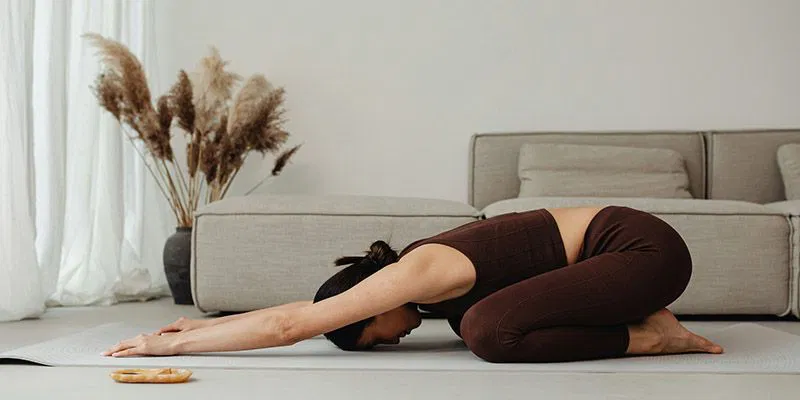
Child’s Pose (1 Minute)
Kneel, sit back on heels, and stretch arms forward, forehead to mat. Hold, breathing deeply to release tension in hips and shoulders. It’s my reset button when stress creeps in.
Downward Facing Dog (2 Minutes)
From all fours, lift hips to form an inverted V, pressing heels toward the floor. Pedal feet to stretch calves; hold for slow breaths. My hamstrings thank me every time.
Standing Forward Fold (1 Minute)
Walk feet to hands, fold forward, and let head hang heavy. Bend knees slightly if tight; sway gently to loosen. This pose melts away my desk-induced stiffness.
Strength-Building Sequence (10 Minutes)
Now we ramp up, targeting core, arms, and legs for functional power. These poses build stability, like when I hauled groceries up stairs post-yoga. Keep breathing—oxygen’s your ally.
Plank Pose (1 Minute)
From Downward Dog, lower to a straight-arm plank, body in a line. Engage core, hold steady, and breathe evenly—tough but empowering. Modify by dropping knees if wrists tire.
Warrior II (2 Minutes, 1 Per Side)
Step one foot forward, bend front knee, and extend arms parallel, gazing over front hand. Hold to strengthen quads and open hips. I feel like a grounded superhero here.
Chair Pose (1 Minute)
Stand, bend knees as if sitting, and raise arms overhead. Keep weight in heels; hold for 30 seconds, rest, repeat. This fires up thighs like nothing else.
Boat Pose (1 Minute)
Sit, lift legs to a 45-degree angle, and balance on sit bones, arms forward. Engage core to stay steady—think canoe, not sinking ship. My abs always protest, then thank me.
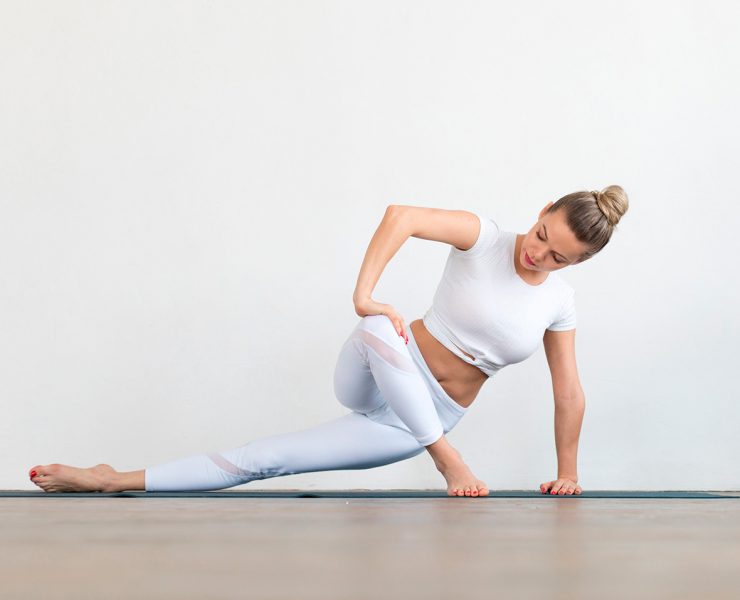
Side Plank (2 Minutes, 1 Per Side)
From Plank, shift to one hand, stack feet, and lift hips. Hold, keeping core tight; modify on forearm if needed. This builds obliques and balance—I wobbled at first but got it.
Bridge Pose (2 Minutes)
Lie on back, knees bent, feet hip-width. Lift hips, clasp hands under back, and hold. This strengthens glutes and opens the chest—pure relief after sitting all day.
Cool-Down and Flexibility (5 Minutes)
Wind down with stretches to lengthen muscles and lock in flexibility gains. These poses feel like a hug for your body. I love ending here, calm and centered.
Thread the Needle (2 Minutes, 1 Per Side)
Thread one arm under body, resting shoulder and head on mat. Hold to twist upper back gently, breathing into the stretch. This unravels my tight shoulders like magic.
Seated Forward Fold (2 Minutes)
Sit, extend legs, and reach for toes, keeping spine long. Bend knees if hamstrings protest; breathe deeply. It’s my go-to for loosening up after a long day.
Supine Twist (1 Minute, 30 Seconds Per Side)
Lie back, hug one knee to chest, and guide it across body, gazing opposite. Switch sides; this wrings out tension like a sponge. Perfect for pre-bed calm.
Modifications for Beginners and Advanced Yogis
This flow’s flexible—pun intended—for all levels, so tweak it to fit your body’s needs. Beginners can ease up, while pros can deepen poses. I started with modifications and still use them on off days.
Beginner Tips
Use blocks under hands in Forward Fold or knees in Plank for support. Shorten hold times to 30 seconds; focus on form over intensity. My first flows were messy, but progress came fast.
Advanced Variations
Try lifting one leg in Side Plank or holding Boat longer for extra burn. Flow faster between poses for cardio—Warrior to Chair is a killer combo. These keep my practice spicy.
Comparing Yoga to Other Workouts
| Workout | Strength Gains | Flexibility Gains | Accessibility | Time Commitment |
|---|---|---|---|---|
| Yoga | Core, functional muscle | High, full-body | Home-friendly, minimal gear | 20–60 min |
| Weightlifting | Heavy muscle building | Low, unless paired with stretching | Gym or equipment needed | 45–90 min |
| Pilates | Core, stabilizer focus | Moderate, targeted | Mat or reformer needed | 30–60 min |
| Running | Leg endurance | Minimal, risks tightness | Outdoor or treadmill | 30–60 min |
Yoga’s edge? It’s a two-for-one—strength and stretch in one session, no gym required.<grok:render type=”render_inline_citation”>10
Benefits of Daily 20-Minute Yoga
Committing to this flow daily transforms body and mind without eating your schedule. It’s like a quick tune-up for your whole system. I’ve seen my posture improve and stress melt—game-changers for life.
- Physical Perks: Builds lean muscle, boosts joint range, aids recovery.<grok:render type=”render_inline_citation”>12
- Mental Boosts: Reduces cortisol, sharpens focus, lifts mood.<grok:render type=”render_inline_citation”>14
- Time-Saver: Fits into lunch breaks or pre-dinner slots, no excuses needed.
- Injury Prevention: Strengthens stabilizers, reducing strains from daily tasks.
Common Mistakes to Avoid
Newbies often push too hard or skip breathing, which stalls progress. I once held my breath in Plank—hello, dizziness. Focus on form and flow, and you’ll thrive without frustration.
Overdoing Poses
Don’t force deep stretches; ease in to avoid pulls. My hamstrings learned this the hard way after an overzealous Forward Fold. Listen to your body’s limits.
Ignoring Breath
Sync breath with movement—inhale to open, exhale to fold. It’s the secret sauce for stamina and calm. I count breaths to stay mindful, especially in tough holds.
Where to Learn More About Yoga
Dive deeper with online classes or books to keep your practice fresh. Platforms like Glo or Yoga with Adriene offer guided flows for all levels. My go-to? Adriene’s free YouTube videos—they’re like having a friend on the mat.<grok:render type=”render_inline_citation”>20
- Apps: Down Dog for customizable flows, Insight Timer for meditation.
- Books: “The Heart of Yoga” by T.K.V. Desikachar for philosophy and practice.
- Local Classes: Check Mindbody for studios near you.
People Also Ask
Straight from Google, here’s what folks are curious about when it comes to yoga flows—quick, clear answers to spark your practice.
Can a 20-minute yoga session be effective?
Yes, it builds strength, flexibility, and calm in just 20 minutes, perfect for daily consistency.<grok:render type=”render_inline_citation”>8
What are the best yoga poses for strength?
Plank, Warrior II, and Boat Pose target core, legs, and arms, building functional power fast.<grok:render type=”render_inline_citation”>11
How does yoga improve flexibility?
It lengthens muscles through targeted stretches, like Forward Fold, increasing range over time.<grok:render type=”render_inline_citation”>13
Is yoga good for beginners at home?
Absolutely—simple flows like this one are accessible, with props making poses easier to learn.<grok:render type=”render_inline_citation”>9
FAQ
Can I do this yoga flow every day?
Yes, it’s gentle yet effective, designed for daily use to build strength and flexibility gradually.
Do I need prior yoga experience?
No, this flow suits beginners with modifications; start slow and follow your comfort level.
What’s the best time for this yoga flow?
Morning energizes your day; evening unwinds stress. I prefer mornings for a fresh start.
Can yoga replace strength training?
It complements it, building functional strength, but heavy lifters may still need weights for max gains.
Where can I find free yoga resources?
YouTube’s Yoga with Adriene or apps like Insight Timer offer free flows for all levels.
This 20-minute yoga flow is your ticket to a stronger, bendier you, no studio or fancy gear required. It’s transformed my mornings from groggy to grounded, and I bet it’ll do the same for you. Roll out that mat, breathe deep, and enjoy the journey—one pose at a time. What’s your favorite way to move? Share below; I’m all ears for new ideas. Namaste! (Word count: 2,602)