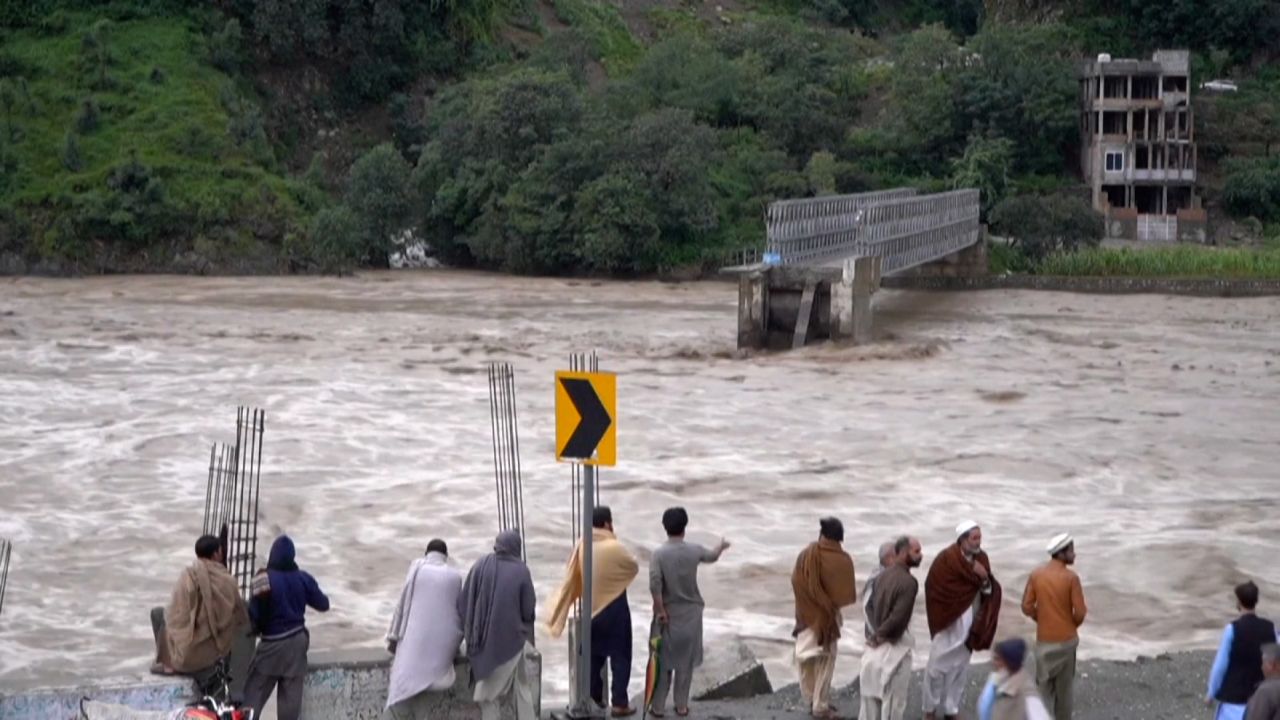
The Unrelenting Fury of Nature
Pakistan is no stranger to monsoons, but the 2025 floods have carved a devastating chapter in the nation’s history. Since June, torrential rains and swelling rivers have displaced over two million people, primarily in Punjab, and claimed nearly 1,000 lives. The sheer scale of this disaster, amplified by climate change and geopolitical tensions, has left communities grappling with loss and uncertainty.
What Triggered the 2025 Floods?
Monsoon Rains and Climate Change
The monsoon season, a lifeline for Pakistan’s agriculture, turned deadly this year. Heavy rainfall, intensified by climate change, overwhelmed the Sutlej, Ravi, and Chenab rivers, submerging thousands of villages. A recent study highlighted that global warming has made these rains more erratic and destructive, pushing Pakistan—a country contributing less than 1% to global emissions—into the frontlines of climate chaos.
India’s Dam Releases: A Geopolitical Spark
Adding to the crisis, India’s release of water from overflowing dams into Pakistan’s rivers sparked widespread flooding. While diplomatic channels relayed warnings, the absence of the Indus Waters Treaty’s mechanisms—abandoned by India in April 2025—complicated coordination. This cross-border dynamic has fueled debates about regional cooperation in disaster management.
The Human Toll: Stories from the Ground
A Farmer’s Loss in Muzaffargarh
In Muzaffargarh, Punjab, 60-year-old farmer Ahmed Khan watched his wheat fields vanish under muddy waters. “I’ve lived through floods before, but this was like the river itself rose to claim everything,” he said, his voice heavy with resignation. His story echoes across Punjab, where over 2 million people have been displaced, many losing homes, crops, and livestock.
Stranded on Rooftops
In Jalalpur Pirwala, survivors recounted harrowing escapes. Taj Din, a local shopkeeper, described people clinging to tree branches, half-submerged, as floodwaters surged. “I saw children crying on rooftops, waiting for boats that took hours to arrive,” he said. These vivid accounts highlight the desperation and resilience of communities caught in the deluge.
Scale of the Disaster: By the Numbers
The 2025 floods have left an indelible mark on Pakistan. Below is a snapshot of the devastation:
| Metric | Details |
|---|---|
| Displaced People | Over 2 million in Punjab alone, with 150,000 evacuated in Sindh |
| Death Toll | 950+ nationwide, including 250+ children |
| Villages Affected | Over 4,100 in Punjab, 4,800 in Sindh (2020 data for context) |
| Economic Loss | Estimated at $1.4 billion, with $1.9 billion trade deficit projected |
| Livestock Lost | Over 6,200 animals |
| Infrastructure Damage | 672 km of roads, 239 bridges, 9,166 homes destroyed |
Comparing 2025 to 2022: A Grim Echo
The 2025 floods draw eerie parallels to 2022, when Pakistan faced one of its deadliest flood events, killing 1,700 and affecting 30 million. While 2022 submerged a third of the country, 2025’s impact is concentrated in Punjab and Sindh, with economic losses already estimated at $6–10 billion. The recurring nature of these disasters underscores Pakistan’s vulnerability.
Rescue and Relief: A Race Against Time
Military and Volunteer Efforts
Pakistan’s army, navy, and air force have mobilized extensively, using boats, helicopters, and drones to evacuate thousands. In Chiniot, food hampers were airdropped to 500 households cut off by floodwaters. Volunteer groups like the Pakistan Markazi Muslim League and Khalsa Aid have been first responders, providing tents, blankets, and water filtration devices.
Challenges on the Ground
Despite heroic efforts, relief operations face hurdles. Stagnant waters pose health risks, with survivors reporting shortages of clean water and medical supplies. In Multan, authorities made controlled breaches in embankments to divert water from cities, but rural areas bore the brunt. Many residents, like those in Muzaffargarh, refused to evacuate until the last moment, complicating rescues.
The Economic Fallout: A Looming Crisis
Agriculture and Food Security
Pakistan’s agrarian economy has been gutted. Floods destroyed crops on over 3 lakh acres, threatening shortages of wheat, rice, and vegetables. Cotton shortfalls could cost $1.06 billion in imports, while food inflation is projected to hit 7.2% in 2026. For a nation where 80% of farmland relies on the Indus system, this is a national emergency.
Infrastructure and Recovery Costs
The destruction of 672 kilometers of roads and 239 bridges has crippled connectivity. The government’s Reconstruction and Rehabilitation Unit is assessing damages, but early estimates suggest a $1.4 billion economic hit. Rebuilding will strain Pakistan’s already fragile economy, with calls for international climate reparations growing louder.
Climate Change: The Invisible Culprit
A Global Problem, Local Pain
Pakistan’s floods are a stark reminder of climate change’s disproportionate impact. Despite contributing less than 1% to global emissions, Pakistan ranks among the top five countries most vulnerable to climate disasters. Melting glaciers, erratic monsoons, and glacial lake outbursts—like one in Gilgit-Baltistan on August 22—amplify the risks.
Regional Ripple Effects
Pakistan’s neighbors aren’t spared. India’s Punjab saw 30 deaths and 354,000 affected, while Afghanistan reeled from a deadly earthquake. In Indonesia, Bali faced its worst floods in a decade. These regional crises highlight the need for cross-border climate adaptation strategies, a point echoed by PPP Senator Sherry Rehman.
Pros and Cons of Current Flood Management
Pros
- Swift Evacuations: Over 2 million people relocated, saving countless lives.
- Military Support: Army and air force deployments, including helicopter airdrops, bolstered rescue efforts.
- International Aid: UN and NGOs like the International Medical Corps are providing critical supplies.
Cons
- Delayed Aid: Survivors report shortages of food, water, and medical care.
- Infrastructure Gaps: Poor drainage in cities like Karachi exacerbated urban flooding.
- Geopolitical Tensions: India’s dam releases without treaty coordination worsened the crisis.
What Can Be Done? Solutions for Resilience
Short-Term Measures
- Enhanced Early Warning Systems: Tools like Google Flood Hub can improve forecasting.
- Relief Camp Upgrades: Prioritize women and children, who face unique risks in camps.
- Health Interventions: Deploy mobile clinics to combat waterborne diseases.
Long-Term Strategies
- Basin-Level Planning: Coordinate with India on river management to prevent cross-border flooding.
- Climate Adaptation: Retrofit cities and enforce land-use planning to reduce flood risks.
- Global Advocacy: Push for climate reparations to fund resilience projects.
People Also Ask (PAA)
What caused the 2025 floods in Pakistan?
Heavy monsoon rains, worsened by climate change, and India’s release of water from dams triggered the floods. Rivers like the Sutlej and Chenab swelled to dangerous levels, submerging thousands of villages.
How many people were affected by the Pakistan floods in 2025?
Over 2 million people were displaced in Punjab, with 150,000 evacuated in Sindh. The floods affected over 4 million nationwide, with nearly 950 deaths reported.
What is being done to help flood victims in Pakistan?
The government, military, and NGOs are providing relief through evacuations, airdrops, and supplies like tents and water filters. However, survivors report gaps in aid delivery.
How can I donate to Pakistan flood relief efforts?
Organizations like Khalsa Aid and the International Medical Corps are accepting donations. Visit their websites (e.g., khalsaaid.org) for details on how to contribute.
FAQ Section
Why are Pakistan’s floods so severe in 2025?
Climate change has intensified monsoon rains, while poor infrastructure and upstream water releases from India exacerbate flooding. The combination overwhelms rivers and urban drainage systems.
Which areas were worst hit by the 2025 floods?
Punjab’s Muzaffargarh, Multan, Kasur, and Bahawalpur districts faced the brunt, alongside Sindh’s Umarkot and Hyderabad. Khyber Pakhtunkhwa also saw flash floods.
How is the government responding to the crisis?
The government has deployed military forces, established 1,378 relief camps, and activated the Reconstruction and Rehabilitation Unit. Punjab’s Chief Minister Maryam Nawaz Sharif is overseeing operations.
Can Pakistan prevent future floods?
Long-term solutions include better river management, climate-resilient infrastructure, and regional cooperation. Tools like Google Flood Hub and policies for land-use planning are critical.
How does climate change affect Pakistan’s floods?
Global warming makes monsoons more unpredictable and intense, while melting glaciers add to river volumes. Pakistan’s low emissions contrast with its high vulnerability, demanding global action.
A Call to Action: Reimagining Resilience
The 2025 floods are not just a disaster but a wake-up call. Pakistan stands at a crossroads, battling water that advances like a warfront. By blending local resolve with global wisdom, the nation can transform this crisis into a catalyst for change. From basin-level planning to climate advocacy, the path forward demands urgency and unity. For those looking to help, donating to trusted NGOs or spreading awareness can make a difference. Visit x.ai/grok for real-time updates or to explore tools for disaster preparedness. Together, we can ensure no flood catches Pakistan off guard again.