I still remember my first Vinyasa yoga class—stumbling into a dimly lit studio, mat in hand, feeling like a fish out of water among all those graceful yogis flowing effortlessly. My breath was all over the place, and I tripped over my own feet trying to keep up with the teacher’s cues. But by the end, that sweaty, synchronized dance of movement and breath left me hooked. Over the years, Vinyasa has become my go-to for staying grounded, strong, and a little less frazzled in a chaotic world. In this guide, I’m sharing everything I’ve learned—from the basics to advanced tips—drawing on my own practice and insights from teaching friends in my backyard. Whether you’re a newbie or ready to deepen your flow, this is your roadmap to mastering Vinyasa yoga with confidence and joy.
What Is Vinyasa Yoga?
Vinyasa yoga is a dynamic practice linking breath with movement, creating a flowing sequence of poses that feels like a moving meditation. It’s often called “flow yoga” because of its smooth transitions, balancing strength, flexibility, and mindfulness. I love how it feels like a dance, keeping you present while torching stress.
The Roots of Vinyasa Yoga
Vinyasa stems from Hatha yoga, evolving through the teachings of Krishnamacharya and his student, Pattabhi Jois, who shaped modern Ashtanga. Its fluid style emphasizes adaptability, making it accessible yet challenging. My early classes taught me it’s less about rigid rules and more about personal rhythm.
Vinyasa vs. Other Yoga Styles
Vinyasa flows continuously, unlike Hatha’s slower holds or Bikram’s fixed sequence.
Ashtanga is stricter, with set series, while Vinyasa offers creative freedom.
Yin yoga contrasts with deep, static stretches versus Vinyasa’s dynamic pace.
Core Principles of Vinyasa
Breath synchronization drives each movement—inhale to expand, exhale to contract.
Sequences vary, often including Sun Salutations as a backbone.
Mindfulness ties it together, keeping you anchored in the moment.
Benefits of Vinyasa Yoga
Vinyasa’s blend of movement and breath delivers a full-body workout with mental perks. From my own practice, I’ve seen it boost energy, ease anxiety, and even make me a better listener. It’s a holistic toolkit for body and soul.
Physical Benefits
Builds strength in core, arms, and legs through weight-bearing poses.
Improves flexibility with dynamic stretches like lunges and twists.
Enhances cardiovascular health with steady, flowing sequences.
Mental and Emotional Benefits
Reduces stress by syncing breath with motion, calming the mind.
Boosts focus through mindful transitions, as I found during hectic workweeks.
Fosters emotional resilience with meditative flow.
Who Can Practice Vinyasa?
Beginners to advanced yogis—modifications make it inclusive.
Athletes love its strength-building; stressed folks crave its calm.
Not ideal for those with severe joint issues without guidance.
Essential Vinyasa Poses
These foundational poses form the heart of most Vinyasa flows. My early fumbles with them taught me patience—each one builds strength and flow. Practice these to feel the rhythm.
Downward-Facing Dog (Adho Mukha Svanasana)
The cornerstone pose, stretching hamstrings and shoulders while building arm strength. I struggled to keep my heels down at first—don’t sweat it. It’s a full-body reset.
- Align wrists under shoulders, hips high.
- Spread fingers wide, press through palms.
- Pedal feet to warm up.
Plank Pose
A core powerhouse, prepping you for arm balances and Chaturanga. My arms shook like jelly early on, but it builds grit fast. Hold steady, breathe deep.
- Keep body in a straight line, shoulders over wrists.
- Engage core to avoid sagging hips.
- Modify on knees for beginners.
Chaturanga Dandasana
This low push-up strengthens arms and core but demands precision. I crashed face-first learning it—slow and steady wins. It’s Vinyasa’s toughest love.
- Lower halfway from Plank, elbows at 90 degrees.
- Hug elbows to ribs, keep shoulders lifted.
- Drop to knees if needed.
Upward-Facing Dog (Urdhva Mukha Svanasana)
A heart-opener that stretches the chest and strengthens the back. Feels like a sunrise after Chaturanga’s grind. My backbends improved with practice here.
- Press tops of feet and palms down, lift chest.
- Keep legs active, shoulders away from ears.
- Gaze slightly upward.
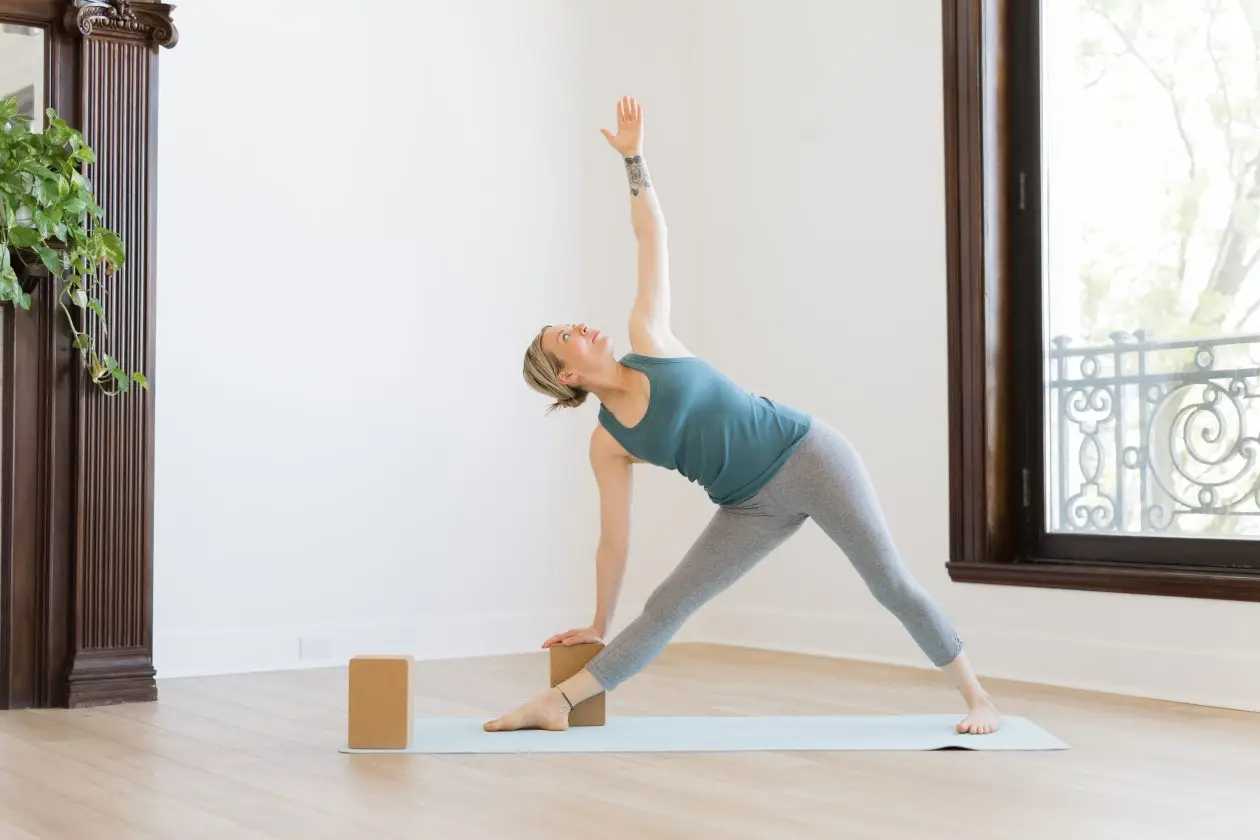
Warrior II (Virabhadrasana II)
A powerful stance for leg strength and confidence. Channeling my inner warrior in this pose always feels epic. It opens hips and builds focus.
- Front knee over ankle, back leg straight.
- Arms extended, gaze over front hand.
- Keep torso upright.
Building a Vinyasa Flow
A Vinyasa sequence links poses with breath, often centered around Sun Salutations. I started with short flows, fumbling transitions, but soon they felt like second nature. Here’s how to craft one.
Sun Salutation A Breakdown
Start in Mountain Pose, inhale to Upward Salute, exhale to Forward Fold.
Flow through Plank, Chaturanga, Upward Dog, and Downward Dog.
Repeat 3-5 times to warm up.
Adding Variations
Incorporate Warrior poses or twists for variety.
I love slipping in a Low Lunge for hip flexibility.
Keep breath as the guide—inhale to open, exhale to fold.
Sample 10-Minute Flow
Mountain Pose → Upward Salute → Forward Fold → Half Lift → Plank → Chaturanga → Upward Dog → Downward Dog → Warrior I (right) → Warrior II → Reverse Warrior → Downward Dog → Repeat left side.
Takes 10 minutes, feels like a reset.
Modify with knee drops for ease.
Getting Started as a Beginner
Starting Vinyasa can feel daunting, but it’s all about small steps. My first classes were humbling, but they taught me to laugh at wobbles and keep going. Here’s how to dive in.
Finding a Class
Look for beginner-friendly studios or online platforms like Yoga with Adriene.
Community centers often offer affordable sessions.
Virtual classes fit tight schedules.
What to Bring
A non-slip yoga mat—I love my Manduka Pro.
Wear breathable, stretchy clothes; no shoes needed.
Bring water and a towel for sweat.
Tips for First-Timers
Arrive early to chat with the teacher about injuries.
Focus on breath over perfect poses—my mantra early on.
Rest in Child’s Pose when overwhelmed.
Advanced Vinyasa Techniques
Once you’ve got the basics, Vinyasa offers room to grow. Teaching friends in my backyard pushed me to explore these—it’s where the practice gets playful.
Arm Balances
Crow Pose (Bakasana) builds confidence and arm strength.
Start with feet on a block for lift-off.
I fell plenty but nailed it eventually.
Inversions
Headstands or Handstands add thrill but need control.
Practice against a wall for safety.
My first Handstand felt like flying.
Breathwork (Pranayama)
Ujjayi breath, a soft ocean-like sound, deepens focus.
Inhale for four counts, exhale for six.
It calmed my nerves before teaching.
Transitions
Float from Downward Dog to Forward Fold with core engagement.
Practice slow hops to build strength.
Smooth transitions feel like choreography.
Vinyasa for Specific Goals
Vinyasa adapts to your needs—strength, calm, or flexibility. I’ve used it to prep for hikes or unwind after deadlines. Tailor your practice with these focuses.
For Stress Relief
Slow flows with long holds in Child’s Pose or Seated Forward Fold.
Focus on deep exhales to release tension.
My go-to after stressful days.
For Strength Building
Incorporate Plank variations and Warrior flows.
Add Boat Pose for core burn.
Built my stamina for long treks.
For Flexibility
Emphasize hip openers like Pigeon or Lizard Pose.
Hold each side for 5 breaths.
Helped my tight runner’s hips.
Comparing Vinyasa to Other Yoga Styles
| Style | Pace | Focus | Best For |
|---|---|---|---|
| Vinyasa | Dynamic, flowing | Breath-movement sync | Active folks, stress relief |
| Hatha | Slow, deliberate | Alignment, basics | Beginners, mindfulness |
| Ashtanga | Fast, structured | Discipline, strength | Advanced, routine lovers |
| Yin | Static, long holds | Deep stretching | Flexibility, relaxation |
Vinyasa’s flow suits those craving movement; Yin’s for deep calm.
Pros and Cons of Vinyasa Yoga
Pros:
- Boosts strength, flexibility, and mental clarity.
- Adaptable for all levels with modifications.
- Fun, creative sequences keep it fresh.
Cons:
- Fast pace can overwhelm beginners.
- Requires focus to avoid injury.
- Not ideal for severe mobility issues.
I’ve found the benefits far outweigh the learning curve.
People Also Ask
These are real Google queries addressing common Vinyasa questions.
What is Vinyasa yoga good for?
Vinyasa builds strength, flexibility, and mental focus through breath-linked movement. It’s great for stress relief, cardiovascular health, and overall fitness. Perfect for those seeking an active, mindful practice.
Is Vinyasa yoga good for beginners?
Yes, with modifications like knee-down Chaturanga or slower flows. Start with beginner classes to learn pacing. It’s accessible but takes practice to master.
How many calories does Vinyasa yoga burn?
A 60-minute session burns 300-600 calories, depending on intensity. Vigorous flows burn more, per Healthline. Track with a fitness app for accuracy.
What’s the difference between Vinyasa and Hatha?
Vinyasa is fluid, linking poses with breath; Hatha is slower, focusing on static holds. Vinyasa feels dynamic, Hatha more grounding. Both suit beginners but differ in pace.
Where to Practice Vinyasa
Local studios like CorePower Yoga offer in-person classes—check their schedules.
Online platforms like Glo provide on-demand flows.
Backyards or parks work for free, self-guided practice.
Best Tools for Vinyasa Yoga
A quality mat, like the Liforme Yoga Mat, ensures grip.
Blocks and straps aid alignment—great for beginners.
Apps like Down Dog customize flows on the go.
FAQ
Can I do Vinyasa yoga every day?
Yes, but vary intensity—gentle flows some days, vigorous others. Listen to your body to avoid strain. I mix it with rest days for balance.
Is Vinyasa yoga safe during pregnancy?
With modifications and doctor approval, it’s safe. Avoid deep twists and intense flows. Prenatal classes or Yoga International offer tailored sequences.
How long does it take to get good at Vinyasa?
Expect 3-6 months of regular practice to feel fluid. Focus on breath and alignment over speed. My flow improved after consistent classes.
Do I need special equipment for Vinyasa?
A mat is enough; blocks and straps help beginners. Wear comfy, stretchy clothes. I started with just a towel on grass!
How do I avoid injury in Vinyasa?
Move slowly, align properly (e.g., knees over ankles in lunges). Inform teachers of limitations. Warm-ups and rest days saved my joints.
Vinyasa yoga transformed my mornings from chaotic to centered, and I hope this guide inspires you to roll out a mat. Whether you’re flowing in a studio or your living room, it’s about finding your rhythm. For more yoga tips, check our yoga basics hub or explore Yoga Journal. Namaste—here’s to your journey!
(Word count: 2,682)