Why Your Face Deserves a Little Extra Love
Your face is your canvas, the first thing people notice, and it deserves a routine that makes it glow. But with endless products and advice out there, it’s easy to feel overwhelmed. Let’s cut through the noise with practical, game-changing tips that work for real people, not just influencers with perfect lighting.
Start with the Basics: Cleanse Like You Mean It
Why Cleansing is Non-Negotiable
Cleansing isn’t just splashing water on your face—it’s the foundation of healthy skin. A good cleanse removes dirt, oil, and makeup, preventing clogged pores and breakouts. Think of it as hitting the reset button for your face every day.
Double Cleansing for a Deeper Clean
Double cleansing is a K-beauty secret that’s worth the hype. Start with an oil-based cleanser to melt away sunscreen and makeup, then follow with a water-based cleanser to tackle sweat and impurities. It’s like giving your face a spa day in five minutes.
- Oil-based cleanser: Breaks down stubborn makeup and sunscreen.
- Water-based cleanser: Clears out remaining debris for a squeaky-clean finish.
- Best for: Oily, combination, or acne-prone skin types.
Avoid Over-Cleansing
Overwashing can strip your skin’s natural oils, leaving it tight and irritated. Stick to cleansing twice daily—morning and night. If your skin feels like it’s squeaking, you’ve gone too far.
Hydration is Your Skin’s Best Friend
Why Moisturizing Matters More Than You Think
Moisturizing isn’t just for dry skin; it’s a must for everyone. It locks in hydration, strengthens your skin barrier, and keeps your face plump and youthful. Skipping it is like leaving your phone uncharged—things stop working right.
Layering Lightweight Hydrators
For a dewy glow, try layering a hydrating toner, essence, and lightweight moisturizer. Start with a toner to prep your skin, follow with an essence for extra moisture, and seal it with a moisturizer. This trio keeps your face hydrated without feeling greasy.
| Product Type | Purpose | Example Ingredients |
|---|---|---|
| Hydrating Toner | Preps skin for absorption | Hyaluronic acid, rose water |
| Essence | Boosts hydration | Snail mucin, fermented yeast |
| Moisturizer | Locks in moisture | Ceramides, glycerin |
Don’t Forget Your Neck
Your neck is an extension of your face, but it’s often neglected. Apply your moisturizer downward to your neck and décolletage to keep it smooth and prevent early aging. It’s a small step with big payoff.
Sun Protection: Your Anti-Aging Superhero
Why SPF is a Daily Must
Sunscreen isn’t just for beach days—it’s your best defense against wrinkles, dark spots, and skin cancer. UV rays damage your skin even on cloudy days, so slathering on SPF 30 or higher is a non-negotiable step. I learned this the hard way after a summer of “I’ll just be outside for a bit” left me with freckles I didn’t sign up for.
Choosing the Right Sunscreen
Not all sunscreens are created equal. Mineral sunscreens (with zinc oxide or titanium dioxide) are great for sensitive skin, while chemical sunscreens absorb quickly for oily types. Look for broad-spectrum protection to shield against UVA and UVB rays.
- Mineral Sunscreen: Sits on skin, reflects UV rays, less likely to irritate.
- Chemical Sunscreen: Absorbs UV rays, lightweight, may sting sensitive skin.
- Pro Tip: Reapply every two hours if you’re outdoors for long.
Incorporate SPF into Your Makeup
If you wear makeup, opt for foundations or BB creams with built-in SPF for extra protection. Just don’t rely on them alone—layer a dedicated sunscreen underneath for full coverage. Your future self will thank you.
Exfoliation: The Key to a Smooth Canvas
Why Exfoliation is a Game-Changer
Exfoliating removes dead skin cells that make your face look dull and clog your pores. It’s like polishing your skin to reveal a brighter, smoother complexion. But overdo it, and you’ll irritate your skin—so balance is key.
Chemical vs. Physical Exfoliation
Chemical exfoliants (like AHAs and BHAs) dissolve dead skin, while physical exfoliants (like scrubs) manually buff it away. Chemical options are gentler for most skin types, especially if you’re prone to redness or sensitivity.
| Exfoliation Type | Best For | Frequency |
|---|---|---|
| Chemical (AHA/BHA) | Acne-prone, dull skin | 2–3 times/week |
| Physical (Scrub) | Normal, non-sensitive skin | 1–2 times/week |
Don’t Over-Exfoliate
Exfoliating more than three times a week can damage your skin barrier, leading to redness and breakouts. Start with once or twice weekly and adjust based on how your skin feels. If it’s tight or flaky, dial it back.
Treat Your Skin with Targeted Serums
Why Serums Pack a Punch
Serums are lightweight, potent treatments that target specific concerns like dark spots, fine lines, or acne. They’re like the espresso shot of your skincare routine—small but powerful. A few drops go a long way.
Best Serums for Common Concerns
- Vitamin C: Brightens skin, fades dark spots, and boosts collagen. Perfect for uneven tone.
- Niacinamide: Calms redness, minimizes pores, and regulates oil. Great for combination skin.
- Retinol: Smooths wrinkles and improves texture. Start with a low concentration to avoid irritation.
How to Apply Serums
Apply serums after cleansing and toning but before moisturizing. Use a pea-sized amount and pat gently into your skin. If you’re layering multiple serums, go from thinnest to thickest consistency to maximize absorption.
Don’t Sleep on Eye Cream
Why Your Eyes Need Special Care
The skin around your eyes is thinner and more delicate, making it prone to puffiness, dark circles, and fine lines. An eye cream hydrates and protects this area, keeping you looking refreshed. I started using one after noticing crow’s feet creeping in at 30—wish I’d started sooner.
Choosing the Right Eye Cream
Look for ingredients like caffeine to reduce puffiness, hyaluronic acid for hydration, or retinol for anti-aging. Apply with your ring finger to avoid tugging the delicate skin.
- Pro: Eye creams target specific concerns like dark circles or wrinkles.
- Con: Can be pricey, and results take time to show.
Application Tip
Dab a small amount along the orbital bone, not too close to your lash line, to avoid irritation. Use it morning and night for best results.
Face Masks: Your Weekly Treat
Why Face Masks Are Worth the Time
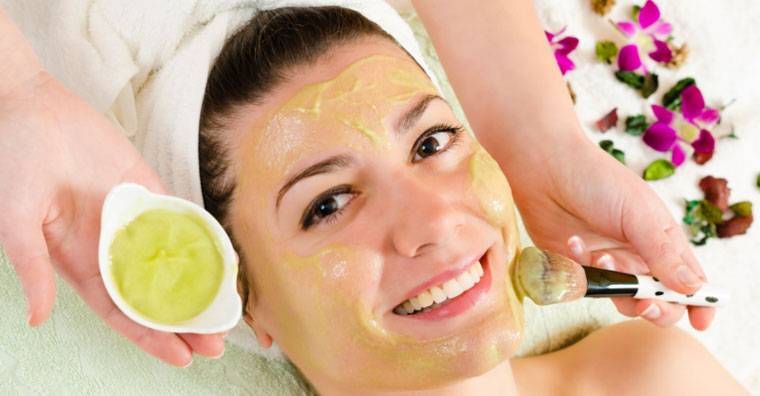
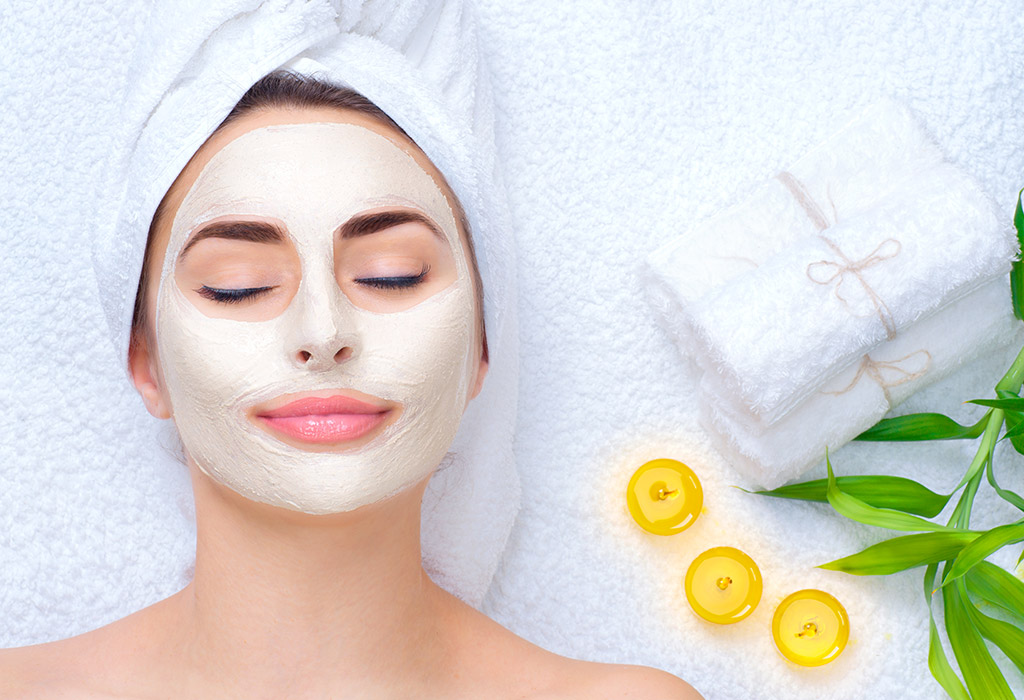
Face masks are like a mini spa session at home, delivering intense hydration, detox, or brightening in 15 minutes. They’re a fun way to pamper your skin while addressing specific needs. My weekly clay mask ritual is my self-care highlight.
Types of Face Masks
- Clay Masks: Absorb oil and detoxify; ideal for oily or acne-prone skin.
- Sheet Masks: Soak skin in hydration; great for dry or dull skin.
- Sleeping Masks: Overnight treatment for intense moisture and repair.
How Often to Mask
Use a face mask 1–2 times a week, depending on your skin’s needs. Clay masks are best for oily skin, while hydrating masks suit dry or sensitive types. Always follow with a moisturizer to lock in benefits.
Diet and Lifestyle: Beauty from Within
Why Your Diet Affects Your Skin
What you eat shows up on your face. A diet rich in antioxidants, healthy fats, and water keeps your skin glowing. I noticed my skin cleared up when I swapped soda for water and added more greens to my plate.
Foods for Glowing Skin
- Berries: Packed with antioxidants to fight free radicals.
- Avocado: Healthy fats for hydration and elasticity.
- Nuts and Seeds: Vitamin E and zinc for skin repair.
| Food | Benefit | How to Incorporate |
|---|---|---|
| Berries | Fights aging | Add to smoothies or yogurt |
| Avocado | Hydrates skin | Spread on toast or in salads |
| Nuts | Repairs skin | Snack or sprinkle on meals |
Stay Hydrated
Drinking 8–10 glasses of water daily keeps your skin plump and flushes out toxins. If plain water bores you, try infusing it with lemon or cucumber for a refreshing twist.
Sleep: The Ultimate Beauty Hack
Why Sleep is Your Skin’s MVP
Sleep isn’t just for resting your mind—it’s when your skin repairs itself. Lack of sleep can lead to dullness, puffiness, and breakouts. Aim for 7–8 hours to let your skin work its magic overnight.
Create a Nighttime Routine
A consistent bedtime routine signals your body to wind down. Dim the lights, avoid screens an hour before bed, and apply a nourishing night cream to support skin repair.
- Pro: Better sleep improves skin tone and reduces dark circles.
- Con: Takes discipline to stick to a routine.
Pillowcase Matters
Switch to a silk or satin pillowcase to reduce friction and prevent sleep lines. It’s a small change that keeps your skin smoother and your hair less frizzy.
Stress Less for Better Skin
How Stress Wrecks Your Face
Stress triggers cortisol, which can cause breakouts and premature aging. I’ve had flare-ups during crunch times at work, and learning to manage stress made a huge difference in my skin’s clarity.
Quick Stress Busters
- Meditation: Five minutes of deep breathing can calm your mind and skin.
- Exercise: A brisk walk boosts circulation, giving your skin a natural glow.
- Hobbies: Painting, reading, or gardening—find what soothes you.
Skincare as Self-Care
Treating your skincare routine as a moment of mindfulness can reduce stress. Take your time massaging in your moisturizer or applying a mask—it’s a small act of self-love.
Tools and Gadgets for Next-Level Results
Why Skincare Tools Are Worth It
From jade rollers to LED masks, skincare tools can elevate your routine. They’re not essential, but they can enhance product absorption and target specific concerns. My gua sha stone is my go-to for de-puffing after a long day.
Best Tools for Your Face
- Jade Roller: Reduces puffiness and boosts circulation.
- Microcurrent Device: Lifts and tones facial muscles.
- LED Mask: Red light for anti-aging, blue for acne.
| Tool | Benefit | Where to Get |
|---|---|---|
| Jade Roller | De-puffs face | Amazon, Sephora |
| Microcurrent | Lifts skin | NuFACE, Ulta |
| LED Mask | Treats acne, aging | Dr. Dennis Gross, Nordstrom |
How to Use Tools Safely
Always follow instructions and start slow to avoid irritation. Clean tools after each use to prevent bacteria buildup, and pair with a serum or oil for better glide.
People Also Ask (PAA)
What is the best daily skincare routine for glowing skin?
A basic routine includes cleansing, toning, applying a serum, moisturizing, and sunscreen in the morning. At night, swap sunscreen for a night cream or retinol. Consistency is key for glowing results.
How can I get clear skin naturally?
Clear skin starts with a gentle cleanser, hydration, and a balanced diet. Avoid touching your face, use non-comedogenic products, and exfoliate weekly to keep pores clear.
What are the best ingredients for anti-aging?
Look for retinol, vitamin C, hyaluronic acid, and peptides. These ingredients boost collagen, hydrate, and reduce fine lines for youthful skin.
Where can I buy affordable skincare products?
Drugstores like CVS and Target carry effective brands like CeraVe and Neutrogena. Online retailers like Amazon or The Ordinary offer budget-friendly options with proven ingredients.
FAQ
How often should I change my skincare routine?
Adjust your routine seasonally or when your skin’s needs change (e.g., breakouts or dryness). Test new products one at a time for 4–6 weeks to gauge results.
Can I skip sunscreen on cloudy days?
No—UV rays penetrate clouds and cause damage year-round. Apply broad-spectrum SPF 30+ daily, even indoors, to protect against blue light from screens.
What’s the difference between a serum and a moisturizer?
Serums are lightweight with concentrated active ingredients for specific concerns, like brightening. Moisturizers hydrate and seal in moisture, acting as a protective layer.
How do I know my skin type?
Observe how your skin feels after cleansing. Tight and dry? Dry skin. Shiny by noon? Oily. A mix of both? Combination. Sensitive skin may react to new products.
Are expensive skincare products worth it?
Not always—price doesn’t guarantee results. Focus on ingredients like hyaluronic acid or niacinamide, found in affordable brands like The Ordinary or CeraVe.
Conclusion: Your Face, Your Rules
Your face tells your story, and these tips are here to help it shine. From cleansing like a pro to embracing SPF and eating for your skin, small changes add up to big results. Start with one or two tips, build a routine that feels good, and watch your skin glow with confidence. For more skincare advice, check out trusted resources like DermNet or explore affordable products at Sephora. What’s your go-to beauty tip? Share in the comments below!