The Spark of Unrest in Nepal
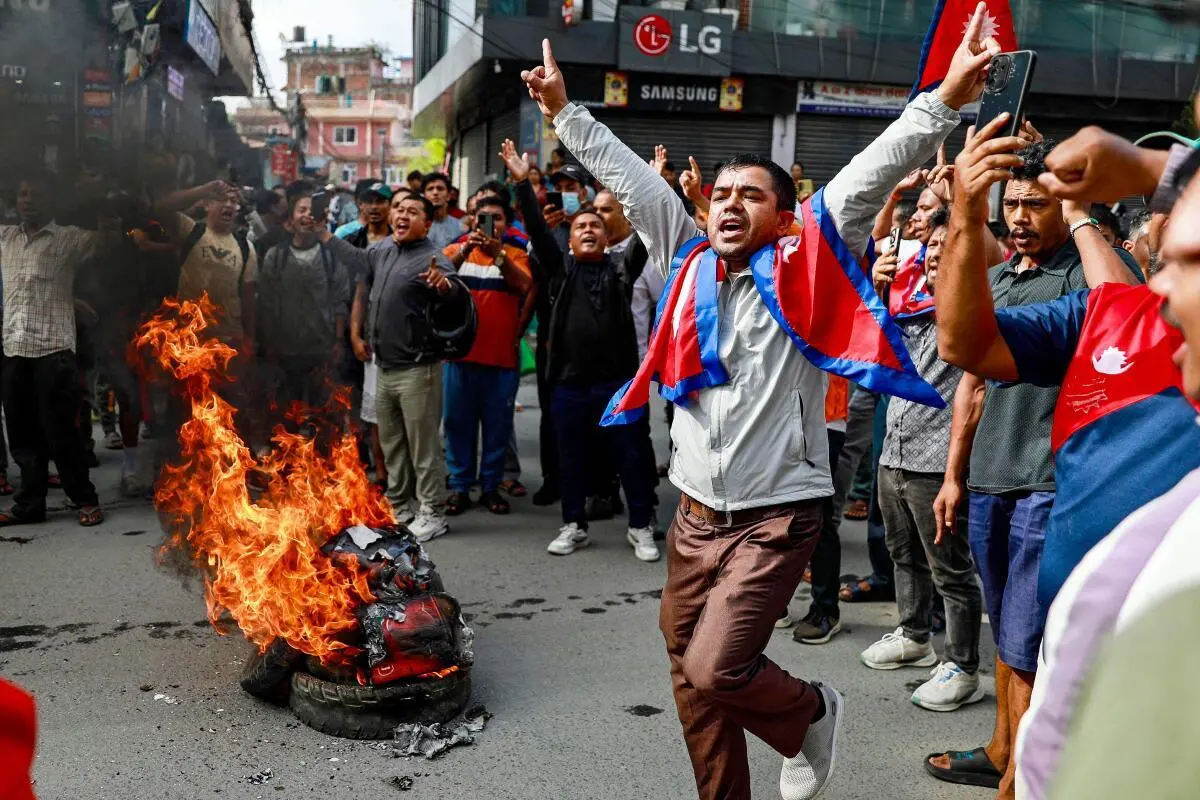
In the heart of Kathmandu, Nepal’s vibrant capital, the streets recently erupted in chaos, marking some of the worst unrest the Himalayan nation has seen in decades. What began as a Gen Z-led movement against corruption, nepotism, and censorship spiraled into violence, with government buildings set ablaze and army patrols deployed to restore order. The protests, initially fueled by a controversial social media ban, have exposed deep-seated frustrations with Nepal’s political elite, but young protesters now claim their movement has been “hijacked” by opportunists. This article dives into the causes, consequences, and complexities of this unrest, offering a human lens on a nation at a crossroads.
What Triggered the Protests?
The Social Media Ban That Lit the Fuse
Last week, Nepal’s government made a bold move to ban 26 social media platforms, including WhatsApp, Instagram, and Facebook, citing concerns over misinformation. This decision, however, backfired spectacularly, igniting outrage among the country’s youth, particularly Gen Z, who rely heavily on these platforms for communication and activism. The ban was seen as an attempt to silence dissent, especially after a viral “nepo kid” campaign exposed the lavish lifestyles of politicians’ children.
The “Nepo Kid” Campaign and Public Fury
Before the ban, social media platforms buzzed with posts under the “nepo kid” hashtag, spotlighting allegations of corruption and privilege among Nepal’s elite. Young people, frustrated by unemployment and systemic corruption, used these platforms to call out politicians and their families. The campaign gained traction, amplifying public discontent and setting the stage for protests that would soon engulf Kathmandu.
A Deeper Discontent
While the social media ban was the immediate trigger, the protests reflect a broader dissatisfaction with Nepal’s political system. Decades of corruption, nepotism, and economic stagnation have left many young Nepalis feeling marginalized. The ban was merely the straw that broke the camel’s back, turning peaceful demonstrations into a nationwide outcry.
The Protests Turn Violent
From Peaceful Marches to Arson
On December 8, 2024, under the banner of “Block Everything,” Gen Z protesters took to the streets to demand accountability and reform. Within 24 hours, however, the movement took a dark turn. Government buildings, including the iconic Singh Durbar, were set on fire, and the headquarters of the Nepali Congress Party, part of the governing coalition, was torched. The home of former Prime Minister Sher Bahadur Deuba also became a target.
Gen Z’s Claim: “Hijacked” by Opportunists
As violence escalated, Gen Z groups distanced themselves from the destruction, claiming their movement had been “hijacked” by opportunists and infiltrators. These young activists, who initially sought peaceful reform, argued that external actors exploited their cause to incite chaos. This claim has sparked debates about the authenticity of the protests and who truly controls the narrative.
Army Patrols and Curfews
By September 10, 2025, the situation had spiraled out of control, prompting the Nepal Army to deploy patrols across Kathmandu. Curfews were imposed in areas like Tinkune, Sinamangal, and Koteshwor to restore order. Nepalese soldiers guarded the streets, and residents were ordered to stay indoors as smoke rose from charred buildings and vehicles. The military’s presence, while calming the immediate violence, raised concerns about authoritarian overreach.
The Role of Gen Z in Nepal’s Protests
A Generation’s Frustration
Nepal’s Gen Z, born into a nation grappling with political instability and economic challenges, has emerged as a powerful force. Unlike their predecessors, they are tech-savvy, globally connected, and unafraid to challenge authority. Their use of social media to organize and amplify their message mirrors youth movements worldwide, from Hong Kong to France.
Why Gen Z Feels Betrayed
The “hijacking” narrative resonates deeply with young protesters who feel their genuine grievances have been overshadowed by violence. Many took to social media to express their frustration, with one protester tweeting, “We wanted change, not chaos. This isn’t us.” The sense of betrayal is palpable, as their call for reform has been tainted by arson and vandalism.
Comparison: Nepal vs. France’s Youth Protests
Interestingly, Nepal’s unrest has parallels with recent protests in France, where the “Yellow Vest 2.0” movement saw similar accusations of being co-opted by agitators. Both movements began with economic and social grievances but were marred by violence, raising questions about external influences. In Nepal, masked agitators were reported, echoing tactics seen in France.
| Aspect | Nepal Protests | France Protests |
|---|---|---|
| Trigger | Social media ban, corruption | Economic policies, inequality |
| Key Players | Gen Z, opportunists | Yellow Vest movement, agitators |
| Outcome | Army patrols, curfews | Police clashes, barricades |
| Accusations | “Hijacked” by infiltrators | Co-opted by extremists |
The Government’s Response
Lifting the Social Media Ban
Facing mounting pressure, the Nepali government lifted the social media ban on Monday night, but the gesture came too late. The protests had gained unstoppable momentum, fueled by years of pent-up frustration. The government’s initial miscalculation highlighted its disconnect from the younger generation.
Prime Minister Oli’s Emergency Meeting
Prime Minister KP Sharma Oli called an emergency cabinet meeting to address the crisis. The deployment of the army and imposition of curfews were seen as necessary to prevent further destruction, but critics argue these measures risk escalating tensions. Oli’s administration now faces the daunting task of rebuilding trust.
Criticism of Police Tactics
Reports of police using excessive force, including shooting unarmed demonstrators and deploying snipers, have drawn international condemnation. Organizations like Amnesty International and the UN Human Rights Council were tagged in social media posts calling for accountability. These tactics have further alienated the public, particularly the youth.
The Human Cost of the Unrest
Lives Lost and Communities Shattered
The protests have not been without tragedy. Innocent lives have been lost, and communities are grappling with the aftermath of violence. One Kathmandu resident, a shopkeeper named Anil, shared his story: “I saw my neighbor’s store burn down. He lost everything. We want change, but not like this.” The human toll has left many calling for peace.
Economic Impact
The unrest has disrupted Kathmandu’s economy, with businesses shuttered and public transport halted. The tourism industry, a lifeline for Nepal, faces significant setbacks as images of burning buildings deter visitors. The long-term economic consequences could exacerbate the very issues that sparked the protests.
Pros and Cons of the Protests
Pros:
- Amplified youth voices and highlighted systemic issues.
- Forced the government to reconsider policies like the social media ban.
- Sparked a national conversation about corruption and nepotism.
Cons:
- Violence and destruction damaged public and private property.
- Loss of lives and injuries have deepened community divides.
- Military presence risks escalating tensions and curbing freedoms.
People Also Ask (PAA)
What caused the protests in Nepal?
The protests were initially triggered by a government ban on 26 social media platforms, which was seen as an attempt to suppress dissent. However, deeper issues like corruption, nepotism, and unemployment fueled the unrest, particularly among Gen Z.
Why does Gen Z claim the protests were hijacked?
Gen Z protesters argue that their peaceful movement was co-opted by opportunists who turned it violent, torching buildings and causing chaos. They believe these infiltrators undermined their call for reform.
Is the Nepal Army still patrolling Kathmandu?
As of September 10, 2025, the Nepal Army was deployed to patrol Kathmandu’s streets and enforce curfews in response to the violent protests. The situation has since calmed, but military presence remains a concern.
How has the social media ban affected Nepal?
The ban, though lifted, sparked widespread outrage and fueled protests. It disrupted communication, business, and activism, highlighting the importance of digital platforms in modern Nepal.
The Broader Implications
A Wake-Up Call for Nepal’s Leaders
The protests have exposed a generational divide, with young Nepalis demanding accountability in ways their parents never did. The government must now address these grievances to prevent further unrest. Failure to do so could lead to more instability in a nation already grappling with economic and political challenges.
The Role of Social Media in Activism
The “nepo kid” campaign and subsequent protests underscore the power of social media in mobilizing youth. While the ban aimed to curb misinformation, it inadvertently amplified dissent, proving that digital platforms are now indispensable tools for activism. For those interested in learning more about social media’s role in protests, check out resources like Global Voices.
What Can Be Done to Heal Nepal?
Healing Nepal requires addressing the root causes of the protests—corruption, unemployment, and inequality. Community-led initiatives, transparent governance, and youth inclusion in policy-making could pave the way for reconciliation. Tools like Transparency International’s Corruption Perceptions Index can help track progress.
FAQ
Why did Nepal ban social media platforms?
The government cited misinformation as the reason for banning 26 platforms, including WhatsApp and Instagram. However, many believe it was an attempt to suppress criticism, particularly after the “nepo kid” campaign gained traction.
Who are the “opportunists” Gen Z refers to?
Gen Z claims that external actors or agitators infiltrated their peaceful protests, turning them violent to serve their own agendas. The exact identity of these opportunists remains unclear.
How can I stay updated on Nepal’s protests?
Follow reputable news sources like BBC News or AP for real-time updates. Social media platforms, despite their risks, also provide firsthand accounts from protesters and journalists.
What are the best tools for tracking protest movements?
Tools like Hootsuite for social media monitoring and Google Alerts for news updates can help you stay informed about protest movements globally.
Is it safe to travel to Nepal during the protests?
Travel advisories recommend caution due to the recent unrest and military presence. Check updates from U.S. Embassy in Nepal or similar sources before planning a trip.
A Path Forward
As Kathmandu’s streets slowly return to calm, the scars of the protests remain. Gen Z’s cry for change, though marred by violence, has forced Nepal to confront uncomfortable truths. The challenge now is to channel this energy into constructive dialogue. For young Nepalis like Anil, the shopkeeper, the dream is simple: a nation where fairness prevails over chaos. The world is watching, and Nepal’s next steps will shape its future for generations to come.