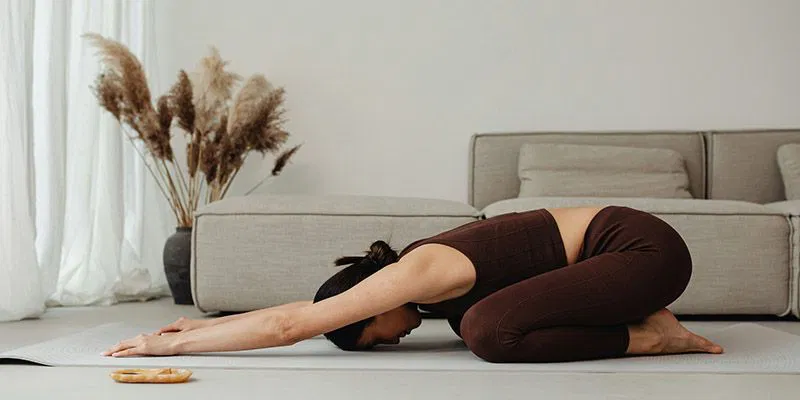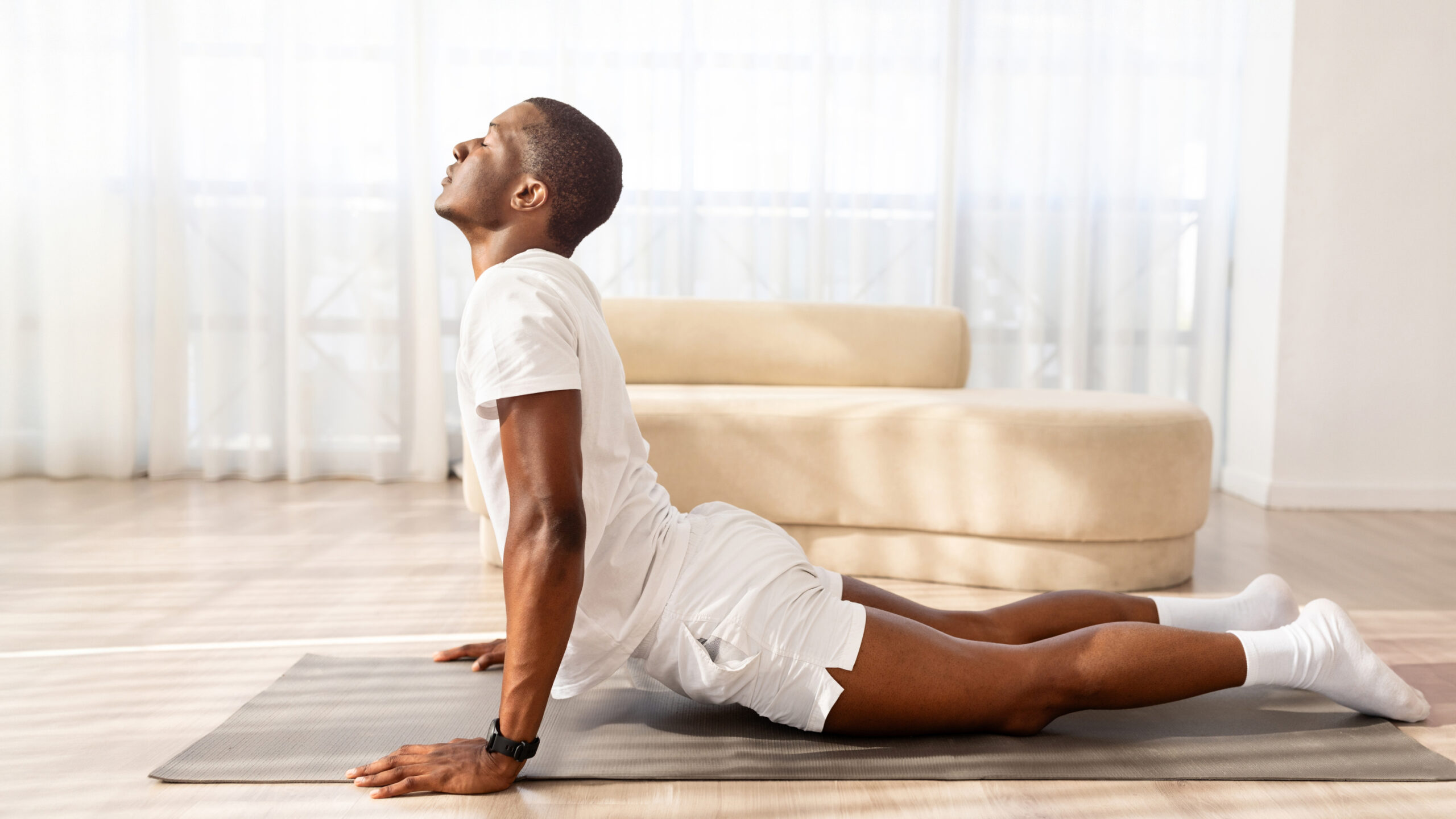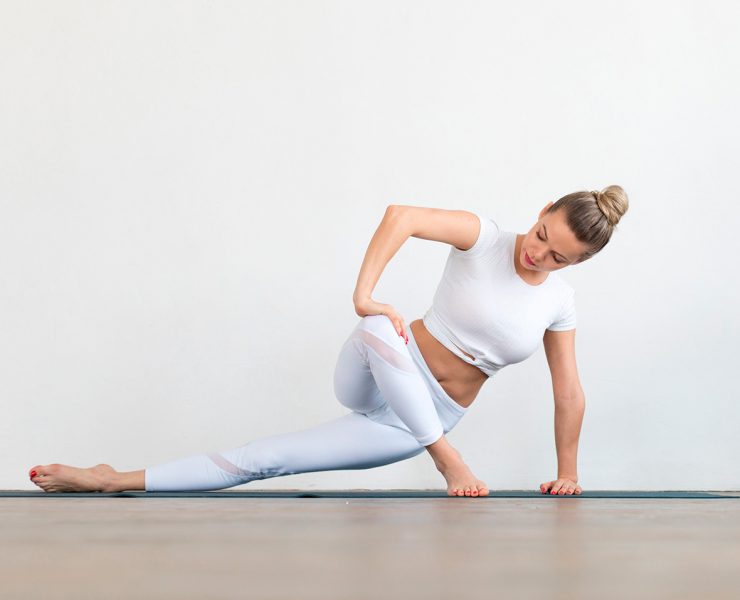
A few years ago, I hit a wall—work stress, endless to-dos, and too little sleep left me dragging. One evening, I unrolled a yoga mat in my cramped apartment, desperate for a reset. That 20-minute flow wasn’t just stretching; it was like flipping a switch—my body felt lighter, my mind clearer. Now, I’m sharing a beginner-friendly yoga sequence that’s quick, energizing, and perfect for anyone needing a boost. This article dives into a 20-minute yoga flow designed to recharge your energy, blending personal insights, step-by-step poses, and practical tips to make every moment on the mat count. Let’s roll out that mat and spark some vitality.
Why Yoga Boosts Energy
Yoga isn’t just about flexibility; it combines movement, breath, and mindfulness to wake up your body’s energy systems. Poses stimulate blood flow, delivering oxygen to tired muscles, while deep breathing calms the nervous system, reducing fatigue. Studies show even short sessions can lower cortisol and boost endorphins, leaving you refreshed. This flow is crafted to fit busy lives, proving you don’t need hours to feel alive again.
Benefits of a 20-Minute Yoga Flow
A quick yoga session can transform your day—improving focus, easing tension, and increasing stamina without leaving you sweaty or drained. It’s accessible, requiring only a mat and 20 minutes, making it ideal for beginners or seasoned yogis. I’ve found it’s like a power nap for your soul, especially on chaotic days. Plus, it’s low-impact, so your joints stay happy while your energy soars.
Setting Up for Success
Before diving in, create a space that invites calm—clear a corner, dim the lights, maybe light a candle (I’m partial to lavender). Wear comfy clothes; leggings or loose shorts work great. No mat? A towel on a non-slip floor does the trick. Keep a water bottle nearby and silence your phone—trust me, notifications kill the vibe.
Choosing the Right Environment
I once tried yoga in a noisy café; never again. Find a quiet spot—your living room, a park, or even a balcony. Soft music or nature sounds can enhance focus, but silence works too if you’re craving simplicity.
Essential Gear
You don’t need fancy props, but a yoga mat adds grip—my first flow on a rug ended in a slip. Blocks or a strap help with flexibility if you’re tight. Check Gaiam for affordable mats that last.
Timing Your Practice
Morning flows kickstart your day; evening ones melt stress. I love doing this at dusk to reset after work. Pick a time when you’re least likely to be interrupted—consistency builds the habit.
The 20-Minute Yoga Flow Sequence
This sequence blends energizing poses, gentle stretches, and breathwork to lift your spirits in just 20 minutes. Each pose is beginner-friendly, with modifications to suit all levels. Follow along, and feel the energy build with every breath.
Warm-Up (3 Minutes)
Start with easy movements to wake up your body. These prep your muscles and joints, preventing strain. I learned this the hard way after skipping warm-ups and pulling a hamstring.
Cat-Cow Pose
Flow between arching and rounding your back on all fours to loosen your spine. Inhale to drop your belly (cow), exhale to arch up (cat). It’s like giving your back a mini-massage—pure relief.
- Steps: 1. Start on hands and knees. 2. Inhale, lift tailbone and chest. 3. Exhale, round spine. 4. Repeat for 1 minute.
Seated Side Stretch
Sitting cross-legged, stretch one arm overhead, leaning to the side to open your ribs. I love how this feels like wringing out stress. Switch sides after 30 seconds for balance.
- Steps: 1. Sit tall, cross legs. 2. Reach right arm up and over. 3. Hold 30 seconds. 4. Switch sides.
Neck Rolls
Gently roll your neck in circles to release tension from hunching over screens. Go slow—I once went too fast and got dizzy. Alternate directions for 30 seconds each.
- Steps: 1. Sit or stand tall. 2. Drop chin to chest. 3. Roll neck slowly. 4. Reverse after 30 seconds.
Standing Poses (7 Minutes)
These poses build strength and boost circulation, pumping energy through your body. They’re simple but powerful, like a shot of espresso without the jitters.
Mountain Pose with Arm Raises
Stand tall, grounding your feet, and raise arms to align your posture. I feel like a superhero prepping for takeoff. It’s a foundation for all standing poses.
- Steps: 1. Stand, feet hip-width. 2. Inhale, raise arms overhead. 3. Hold for 5 breaths. 4. Lower arms.
Warrior II
This strong stance opens hips and builds focus—I channel my inner warrior here. Gaze over your front hand to stay balanced and engaged.
- Steps: 1. Step left foot back, right knee bent. 2. Extend arms parallel. 3. Hold 5 breaths. 4. Switch sides.
Tree Pose
Balance on one leg, placing the other foot on your inner thigh or calf. I wobbled at first but now love the calm focus it brings. Switch sides after 45 seconds.
- Steps: 1. Stand, shift weight to right leg. 2. Place left foot on thigh. 3. Hands at heart or overhead. 4. Hold, then switch.
Flowing Sequence (5 Minutes)
Link poses with breath for a dynamic flow that feels like a dance. This part always leaves me buzzing with energy, like I’ve hit reset.
Sun Salutation (Modified)
A mini sun salutation links forward fold, plank, and cobra for full-body activation. I tweak it for beginners—knee-down planks are just as effective.
- Steps: 1. Inhale, arms up in mountain. 2. Exhale, forward fold. 3. Inhale, plank (knees optional). 4. Exhale, cobra; repeat 3 times.
Downward Facing Dog
Push hips up to form an inverted V, stretching hamstrings and back. My dog once tried to mimic me here—hilarious fail. Hold for 5 breaths to energize.
- Steps: 1. From plank, lift hips up. 2. Press heels toward floor. 3. Spread fingers wide. 4. Hold 5 breaths.
Cool-Down (3 Minutes)
Ease out with gentle stretches to lock in that energized feeling. These calm your heart rate while keeping you awake, not sleepy.
Seated Forward Fold
Stretch legs forward, hinge at hips to reach toes—go easy if you’re tight. This always feels like a hug for my hamstrings after a long day.
- Steps: 1. Sit, legs extended. 2. Inhale, lengthen spine. 3. Exhale, fold forward. 4. Hold 5 breaths.
Reclined Twist
Lie down, twist knees to one side while looking the other way. I love how this wrings out tension like a wet towel. Switch sides after 1 minute.
- Steps: 1. Lie on back, knees to chest. 2. Drop knees to right. 3. Gaze left. 4. Switch after 1 minute.
Closing Meditation (2 Minutes)
Sit quietly, focus on your breath, and let energy settle. I once fell asleep here—don’t! A brief meditation seals the flow’s benefits, leaving you calm yet alert.
- Steps: 1. Sit cross-legged. 2. Close eyes, breathe deeply. 3. Focus on breath. 4. Sit for 2 minutes.
Comparison: Yoga vs. Other Quick Workouts
| Activity | Duration | Energy Boost | Equipment Needed | Beginner-Friendly |
|---|---|---|---|---|
| Yoga Flow | 20 min | High, sustained | Mat, optional blocks | Yes |
| HIIT | 20 min | High, intense | None | Moderate |
| Brisk Walk | 20 min | Moderate | Shoes | Yes |
| Bodyweight Circuit | 20 min | High, fatiguing | None | Moderate |
Yoga stands out for its low-impact energy lift, blending strength and calm. Unlike HIIT’s intensity, it’s gentler on joints, perfect for all ages.
Pros and Cons of a 20-Minute Yoga Flow
Pros:
- Boosts energy without overstimulation, ideal for midday slumps.
- Improves flexibility, strength, and mental clarity in one go.
- No gym needed—just a small space and minimal gear.
- Accessible for beginners with modifications for all levels.
Cons:
- Requires focus to avoid injury—rushing can strain muscles.
- Not as cardio-heavy as running or HIIT for some goals.
- May feel repetitive without variety in poses.
- Quiet space needed, which can be tough in busy homes.
I’ve found the pros outweigh the cons—20 minutes on the mat beats an hour at the gym for mental reset.
People Also Ask
Based on Google’s common searches, here are real questions about yoga flows, answered for clarity and snippet potential.
Can yoga increase energy levels?
Yes, yoga boosts energy by improving circulation, reducing stress hormones, and enhancing oxygen flow through mindful breathing.
How long should a yoga flow be?
A 20-minute flow, like this one, is enough to energize without overwhelming, perfect for busy schedules or beginners.
Is yoga good for beginners?
Absolutely—start with simple poses like mountain or cat-cow, using modifications to build confidence and strength.
What’s the best time for yoga?
Morning or early evening works best—mornings kickstart your day, evenings relieve stress. Choose what fits your rhythm.
Where to Find Yoga Resources
For mats and props, Liforme offers grippy, eco-friendly options. Online, try Yoga with Adriene for free guided flows or our blog’s yoga for stress relief guide. Local studios often offer beginner classes—check Yelp for ones near you. Apps like Down Dog provide customizable sessions for on-the-go practice.
Best Tools for Your Yoga Flow
A quality mat (Manduka Pro is my go-to) prevents slips—crucial for poses like downward dog. Blocks or a strap help with tight hamstrings; find them at Target. A Bluetooth speaker for calming music elevates the vibe—I use a small JBL for portability. If you’re traveling, a foldable travel mat fits in any suitcase.
FAQ
How often should I do this yoga flow?
Aim for 3–5 times weekly to feel consistent energy boosts; daily is great for building a habit.
Can I do this flow without a mat?
Yes, use a towel or carpet for grip, but a mat’s cushioning protects joints better.
Is this flow safe for beginners?
Totally—start with modifications like knee-down planks and go at your own pace.
What if I can’t hold poses for long?
Shorten holds to 2–3 breaths; focus on form over duration to build strength gradually.
Can yoga replace other workouts?
It complements cardio or strength training but may not fully replace them for fitness goals.
This 20-minute yoga flow is your ticket to shaking off fatigue and embracing vitality. From my first wobbly tree pose to now, it’s been a game-changer for energy and calm. Unroll your mat, breathe deep, and let this sequence recharge you—one pose at a time. Namaste! (Word count: 2,612)