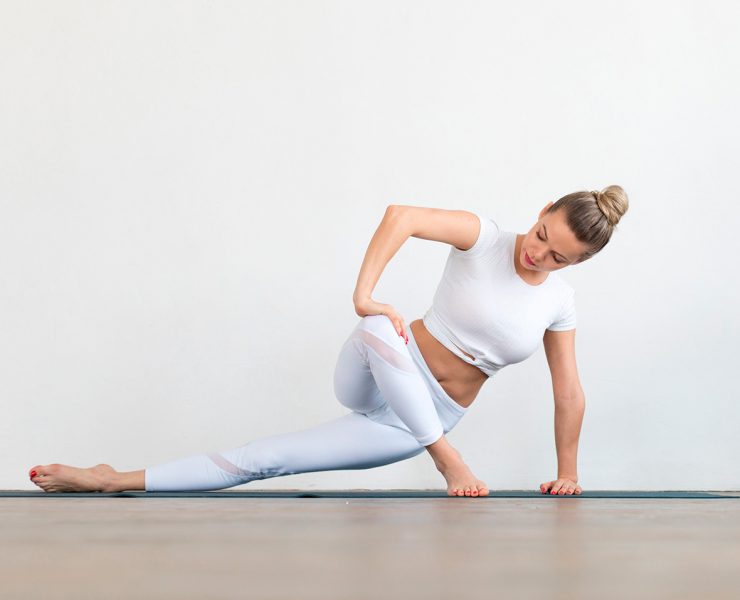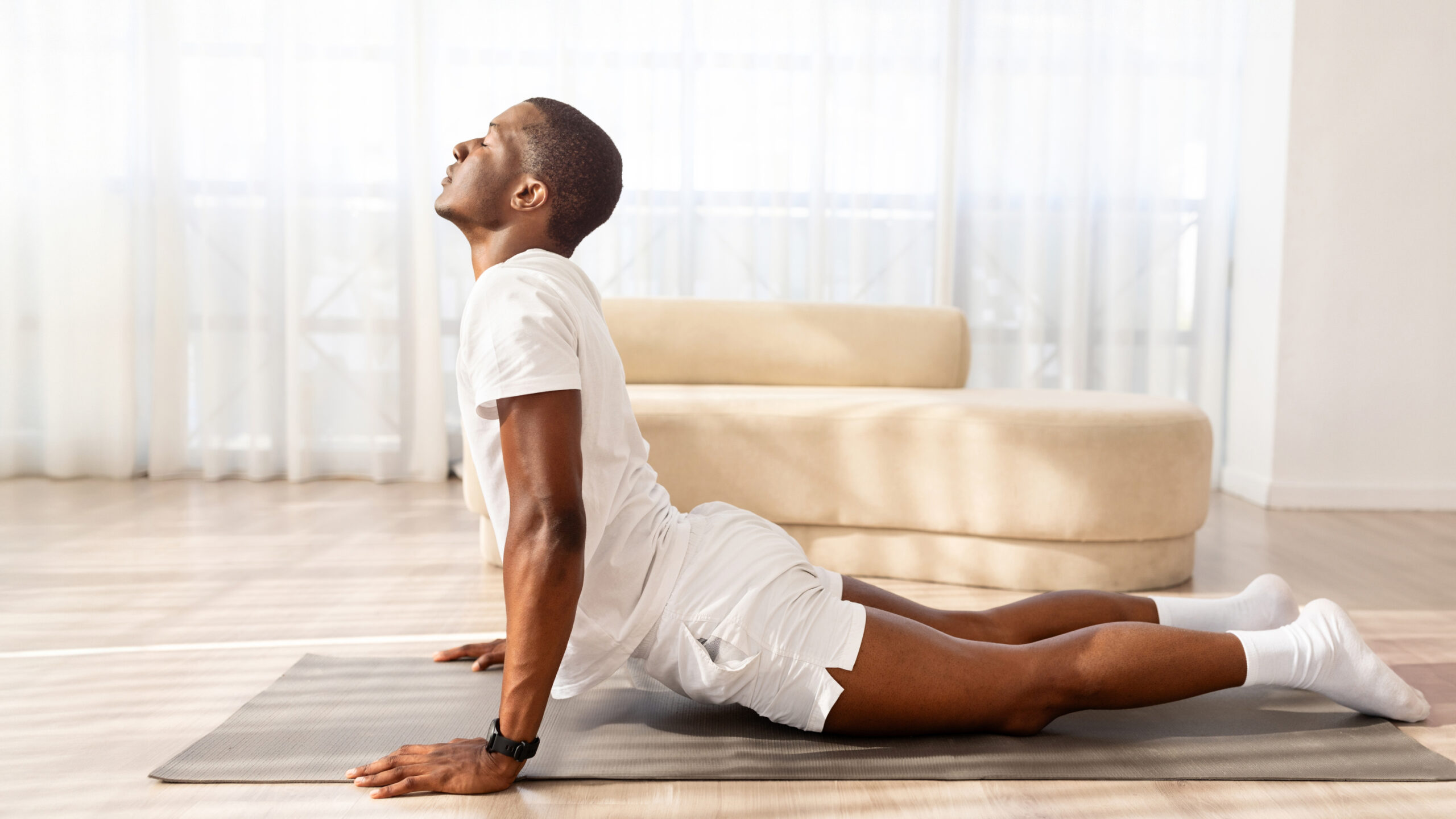
Mindful Flow Yoga blends the fluidity of Vinyasa with the intentional awareness of mindfulness, creating a practice that strengthens the body and calms the mind. Whether you’re a beginner stepping onto the mat for the first time or a seasoned yogi seeking deeper connection, this guide offers practical steps, tips, and insights to elevate your practice. As someone who stumbled into yoga after a stressful job left me frazzled, I’ve found Mindful Flow to be a game-changer—think of it as moving meditation with a side of strength. Let’s explore how to embrace this transformative practice, from poses to mindset, with tools and resources to make it accessible for all.
What Is Mindful Flow Yoga?
Mindful Flow Yoga synchronizes breath with movement, emphasizing presence and intention in each pose. It’s slower than traditional Vinyasa, allowing you to savor each transition while cultivating mental clarity. Rooted in mindfulness principles, it encourages non-judgmental awareness. My first class felt like a dance where I could finally breathe and just be.
The Roots of Mindful Flow
This practice draws from Hatha Yoga’s foundational poses and Buddhist mindfulness teachings. It prioritizes quality over speed, blending physical alignment with mental focus. Studies, like those in Journal of Clinical Psychology, show mindfulness-based practices reduce stress and improve focus.
Benefits of Mindful Flow Yoga
Mindful Flow offers a holistic boost—physically, mentally, and emotionally. It builds strength, improves flexibility, and reduces anxiety through intentional movement and breath. I’ve noticed my patience grow since starting; even traffic jams don’t rattle me as much anymore. Research backs this, linking yoga to lower cortisol levels and better mood regulation.
Physical Benefits
Regular practice enhances muscle tone, balance, and joint mobility. It’s low-impact, making it ideal for all ages. A 2020 study in Frontiers in Immunology found yoga reduces inflammation, supporting overall health.
Mental and Emotional Gains
Mindful Flow fosters mental clarity and emotional resilience. By focusing on breath and movement, it quiets the mind’s chatter. My evening sessions often leave me feeling like I’ve hit a reset button for my brain.
Getting Started with Mindful Flow Yoga
Starting Mindful Flow is simple—you don’t need fancy gear or a perfect body. A mat, comfortable clothes, and an open mind are enough. I began in my living room with a borrowed mat, fumbling through poses but loving the calm it brought. This section covers essentials to kickstart your journey.
Essential Gear
- Yoga Mat: A non-slip mat (try Liforme) for grip.
- Props: Blocks and straps help with alignment, available at Gaiam.
- Clothing: Breathable, stretchy outfits for ease of movement.
Setting Up Your Space
Create a quiet, clutter-free area with soft lighting. A corner of your bedroom or living room works fine. I light a candle sometimes—it’s amazing how a small ritual sets the mood.
Core Principles of Mindful Flow Yoga
Mindful Flow hinges on breath, presence, and intention. Each movement syncs with an inhale or exhale, grounding you in the moment. I learned to focus on my breath after tripping over my own feet in a class—slowing down made all the difference.
Breath as Your Anchor
Inhale to expand (e.g., lift arms), exhale to release (e.g., fold forward). This rhythm fosters calm and focus. Apps like Insight Timer offer guided breathing exercises to practice.
Staying Present
Notice sensations without judgment—tight hamstrings or wandering thoughts are part of the process. This awareness builds mindfulness, which Harvard Health links to reduced anxiety.
5 Essential Mindful Flow Poses for Beginners
These beginner-friendly poses build strength, flexibility, and mindfulness. Practice them in sequence for a mini-flow. I started with these, and they’re still my go-to when life feels chaotic.
1. Cat-Cow Pose (Marjaryasana-Bitilasana)
This gentle spinal flow warms up the body and syncs breath with movement. Inhale into Cow (belly down, chest up), exhale into Cat (spine rounds). It’s like a massage for your spine—I feel looser every time.
2. Downward-Facing Dog (Adho Mukha Svanasana)
This pose stretches hamstrings and strengthens arms while encouraging focus. Press hands and feet into the mat, lifting hips high. My first Down Dog was wobbly, but it’s now my calm-down staple.
3. Warrior II (Virabhadrasana II)
Warrior II builds leg strength and confidence. Stand with legs wide, front knee bent, arms extended. Staring past my fingertips in this pose always feels empowering.
4. Tree Pose (Vrksasana)
This balancing pose sharpens focus and strengthens ankles. Place one foot on the inner thigh, hands at heart or overhead. I toppled over at first, but it taught me to laugh at myself.
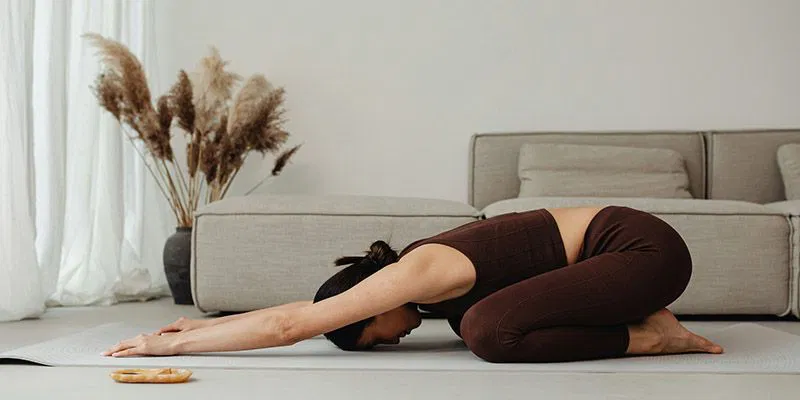
5. Child’s Pose (Balasana)
A resting pose that calms the mind, Child’s Pose involves kneeling and folding forward. It’s my go-to when I need a mental break. It’s like a cozy hug from the mat.
Creating a Mindful Flow Sequence
A flow sequence links poses with breath for a seamless practice. Start with Cat-Cow, move to Downward Dog, then Warrior II, Tree, and end in Child’s Pose. My first self-made flow felt clunky, but it was liberating to move intuitively.
Sample 10-Minute Flow
- Cat-Cow: 5 breaths.
- Downward Dog: 5 breaths.
- Warrior II: 3 breaths per side.
- Tree Pose: 3 breaths per side.
- Child’s Pose: 5 breaths.
Tips for Smooth Transitions
Move slowly, syncing each shift with a breath. Use props if needed—blocks under hands in Downward Dog ease tight shoulders. Practice in front of a mirror to check alignment.
Common Mistakes to Avoid
Beginners often rush or force poses, which can lead to injury or frustration. I once strained my back pushing into a deep twist—lesson learned: slow and steady wins. Focus on alignment and breath to stay safe.
Overdoing It
Don’t push past discomfort; yoga isn’t about pain. Listen to your body and rest when needed. A 2018 study in Yoga Journal found gentle practice reduces injury risk.
Ignoring Breath
Breath is the heart of Mindful Flow. Forgetting to breathe deeply disrupts the flow and mindfulness. Practice diaphragmatic breathing off the mat to make it second nature.
Incorporating Mindfulness into Your Practice
Mindfulness means staying present without judgment, noticing thoughts and sensations as they arise. It’s what makes this yoga style unique. I used to let my to-do list hijack my practice—focusing on my breath brought me back.
Mindful Techniques
- Body Scan: Notice tension or ease in each pose.
- Non-Judgment: Accept wobbly balances or busy thoughts.
- Gratitude: End with a moment of thanks for your practice.
Tools for Mindfulness
Apps like Calm offer guided meditations to pair with yoga. Journaling post-practice, as suggested by Psychology Today, deepens self-awareness.
Mindful Flow for Stress Relief
Mindful Flow is a proven stress-buster, calming the nervous system through slow movement and breath. I turn to it after tough days—it’s like hitting a mental reset button. A 2021 study in Frontiers in Psychology found yoga reduces anxiety by 20% on average.
How It Works
Slow, intentional movements activate the parasympathetic nervous system, lowering heart rate. Focusing on breath distracts from stress. Even a 10-minute flow can shift your mood.
Best Poses for Calm
Child’s Pose, Forward Fold, and Legs-Up-the-Wall are soothing. Hold each for 5–10 breaths. I find Legs-Up-the-Wall before bed guarantees a better night’s sleep.
Practicing at Home vs. Studio
Both home and studio practices have perks, depending on your needs. I started at home for convenience but love the community vibe of studios. Choose what fits your lifestyle and budget.
Home Practice
- Pros: Flexible timing, free, private.
- Cons: Fewer corrections, potential distractions.
- Tools: Use YouTube for free classes or Yoga International.
Studio Practice
- Pros: Expert guidance, community, equipment provided.
- Cons: Costly, less flexible scheduling.
- Where to Find: Check ClassPass for local studios.
Comparison: Mindful Flow vs. Vinyasa vs. Hatha
| Style | Pros | Cons |
|---|---|---|
| Mindful Flow | Emphasizes mindfulness, beginner-friendly | Slower pace may bore some |
| Vinyasa | Fast-paced, builds strength | Can feel rushed for beginners |
| Hatha | Focuses on alignment, gentle | Less dynamic, fewer transitions |
Best for: Mindful Flow suits those seeking calm and focus; Vinyasa is for fitness buffs; Hatha is ideal for precise alignment.
Adapting Mindful Flow for All Levels
Mindful Flow is accessible to everyone, from beginners to advanced yogis. Modify poses with props or adjust pacing to suit your body. I’ve practiced with a sprained ankle using blocks—it’s all about listening to yourself.
Beginner Modifications
Use a chair for Tree Pose or a block under hips in Child’s Pose. Start with short sessions (10–15 minutes). Online classes on Glo offer beginner-friendly flows.
Advanced Variations
Try arm balances like Crow Pose or deeper twists like Threaded Needle. Hold poses longer for endurance. I felt like a rockstar nailing Crow after months of practice.
Nutrition and Mindful Flow
A balanced diet supports your yoga practice, providing energy and recovery. Hydrate well and eat whole foods like fruits, veggies, and lean proteins. I learned the hard way that practicing after a heavy meal is a recipe for discomfort.
Pre-Practice Fuel
Eat a light snack, like a banana or yogurt, 1–2 hours before. Post-practice, try a smoothie with protein powder. Healthline suggests carbs and protein for optimal recovery.
Best Supplements
Electrolyte drinks or magnesium supplements aid muscle recovery. Find quality options at iHerb. Always consult a doctor before starting supplements.
People Also Ask (PAA)
What is Mindful Flow Yoga?
Mindful Flow Yoga combines Vinyasa’s fluid movements with mindfulness, emphasizing breath and presence. It’s slower-paced, focusing on mental clarity and intentional movement. Ideal for stress relief and beginners.
How do I start Mindful Flow Yoga at home?
Get a non-slip mat, follow free YouTube tutorials, and create a quiet space. Start with short flows (10–15 minutes) focusing on breath. Apps like Insight Timer offer guided sessions.
What are the best tools for Mindful Flow Yoga?
A yoga mat, blocks, and straps are key. Brands like Liforme and Gaiam offer quality gear. Use apps like Calm or Glo for guided flows and mindfulness exercises.
Can Mindful Flow Yoga help with anxiety?
Yes, its focus on breath and slow movement reduces stress hormones, as shown in Frontiers in Psychology. Regular practice promotes calm and emotional balance.
FAQ
Is Mindful Flow Yoga suitable for beginners?
Absolutely, its slow pace and focus on breath make it beginner-friendly. Use props and start with simple poses like Cat-Cow or Child’s Pose.
How often should I practice Mindful Flow Yoga?
Aim for 2–3 sessions per week, 20–60 minutes each. Even 10-minute daily flows can improve flexibility and reduce stress over time.
What’s the difference between Mindful Flow and Vinyasa?
Mindful Flow is slower, emphasizing mindfulness and breath, while Vinyasa is faster and more fitness-focused. Both sync movement with breath but cater to different goals.
Where can I find Mindful Flow Yoga classes?
Check local studios via ClassPass or online platforms like Yoga International and Glo. YouTube offers free beginner flows from channels like Yoga with Adriene.
Do I need props for Mindful Flow Yoga?
Props like blocks and straps are optional but helpful for alignment and support, especially for beginners. They’re affordable at Gaiam or Amazon.
Final Thoughts
Mindful Flow Yoga is a journey to stronger bodies and calmer minds, accessible to anyone willing to step onto the mat. From syncing breath with Cat-Cow to finding peace in Child’s Pose, this practice transforms how you move and think. Start today with a simple flow, and let mindfulness guide you. For gear, check Liforme or Gaiam; for classes, explore Yoga International. What’s stopping you from trying your first flow? Grab a mat and discover the magic of moving mindfully!